
The Legend of the Kobold in Cobalt’s Evolution from Curse to Commodity
By Ken Rock, MSDC Editor
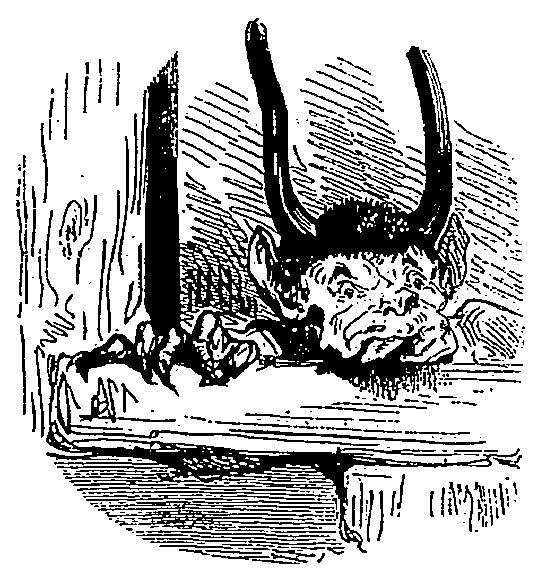
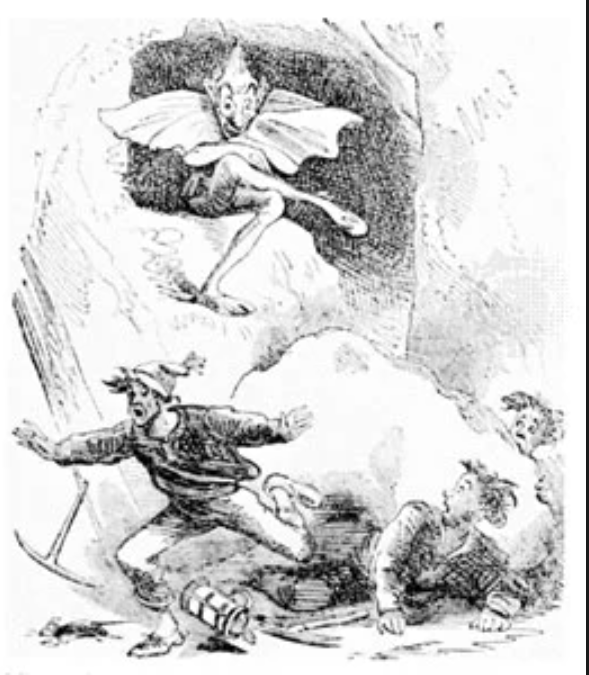
With Halloween upon us and the ghosts and skeletons on lawn decorations everywhere, we are reminded of a mischievous spirit from German folklore. The legends tell of mysterious and ominous spirits in the form of small, bent, and ugly creatures who lived deep within the earth, waiting to prey on the hapless and unaware. These creatures were believed to cause a range of troubles, from extinguishing candles to outright causing cave-ins.
Early miners, who lacked the chemical knowledge to understand what was happening, blamed a goblin for the toxic fumes and deaths that occurred during the smelting process, a phenomenon later understood to be caused by arsenic. The modern element cobalt was named after this goblin, cementing the supernatural tale in science forever.
The Legend of the Kobold
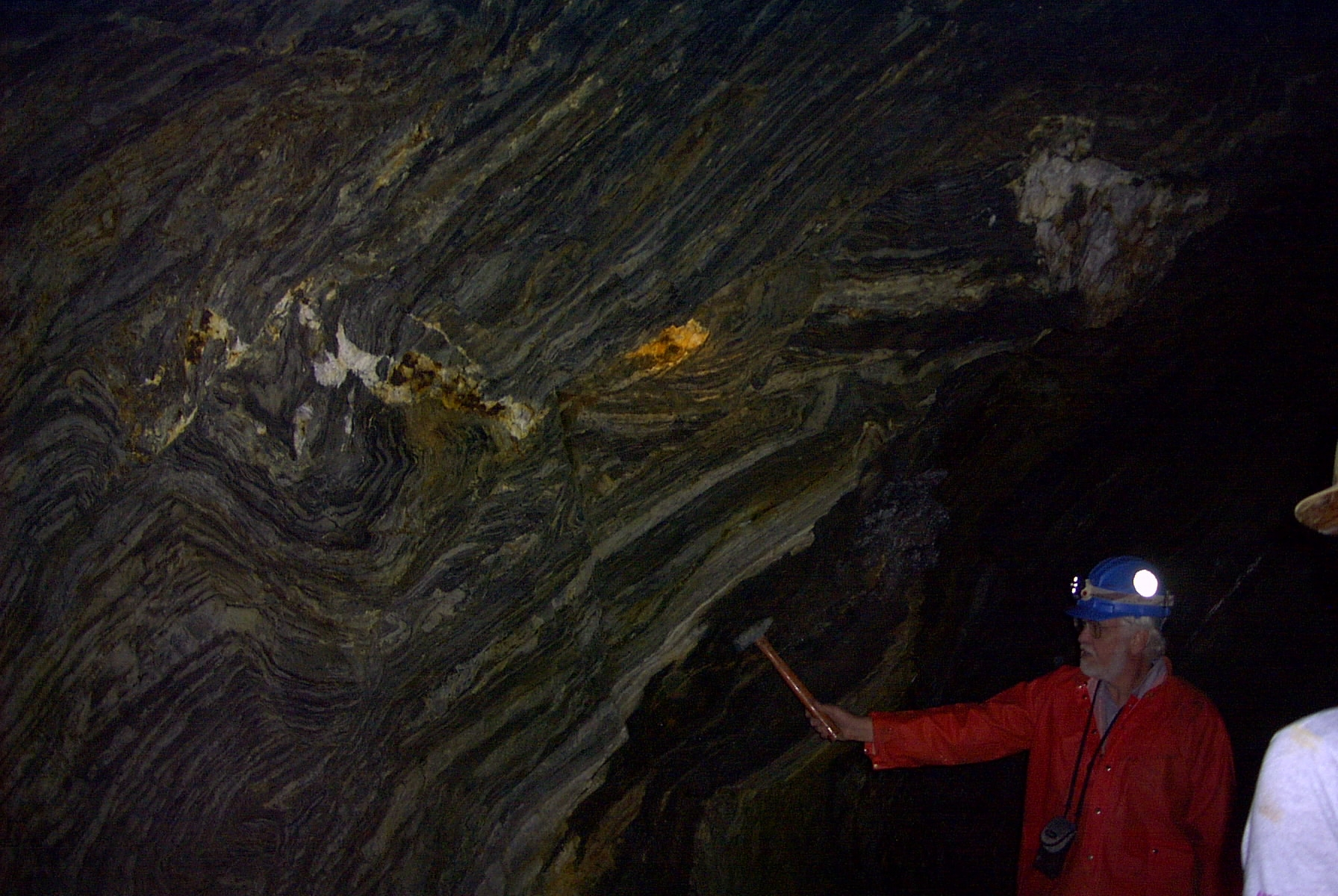
Long before electricity, when flickering torchlight made shadows come to life, the spirits would play tricks on miners. One of these spirits or goblins, the Kobold, was a particular bane of silver miners who would often blame the Kobold after finding veins of ore containing what they believed was silver or copper, only to be disappointed by ores that yielded no valuable metals. The miners cursed the Kobold and sometimes even made offerings to the Kobold to stave off its mischief, all to no avail.
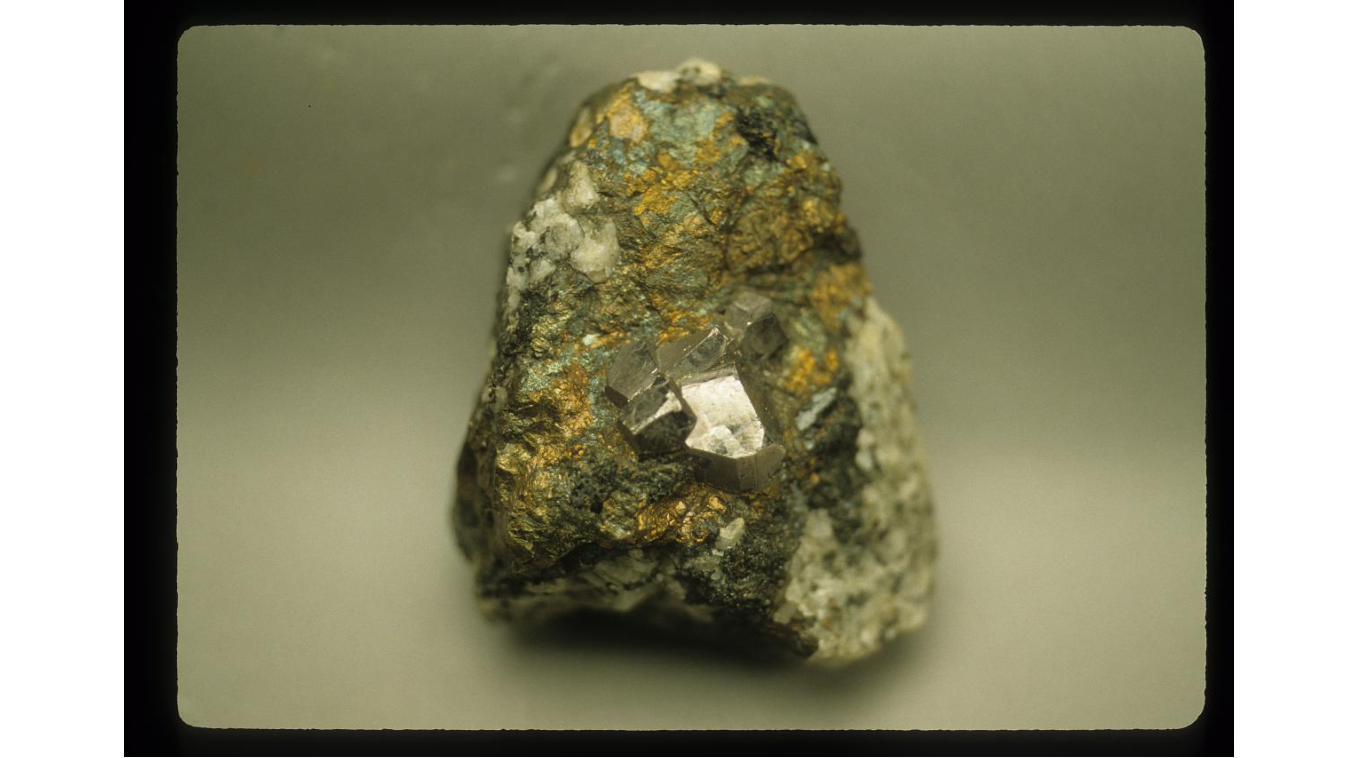
In those early days of mining, the focus was entirely on metals, such as silver and copper, that were valued at the time. There was no interest in the other elements that interfered with obtaining the silver or copper like cobalt, or even arsenic --which frequently occurs alongside cobalt and was the cause of the illnesses in the German miners.
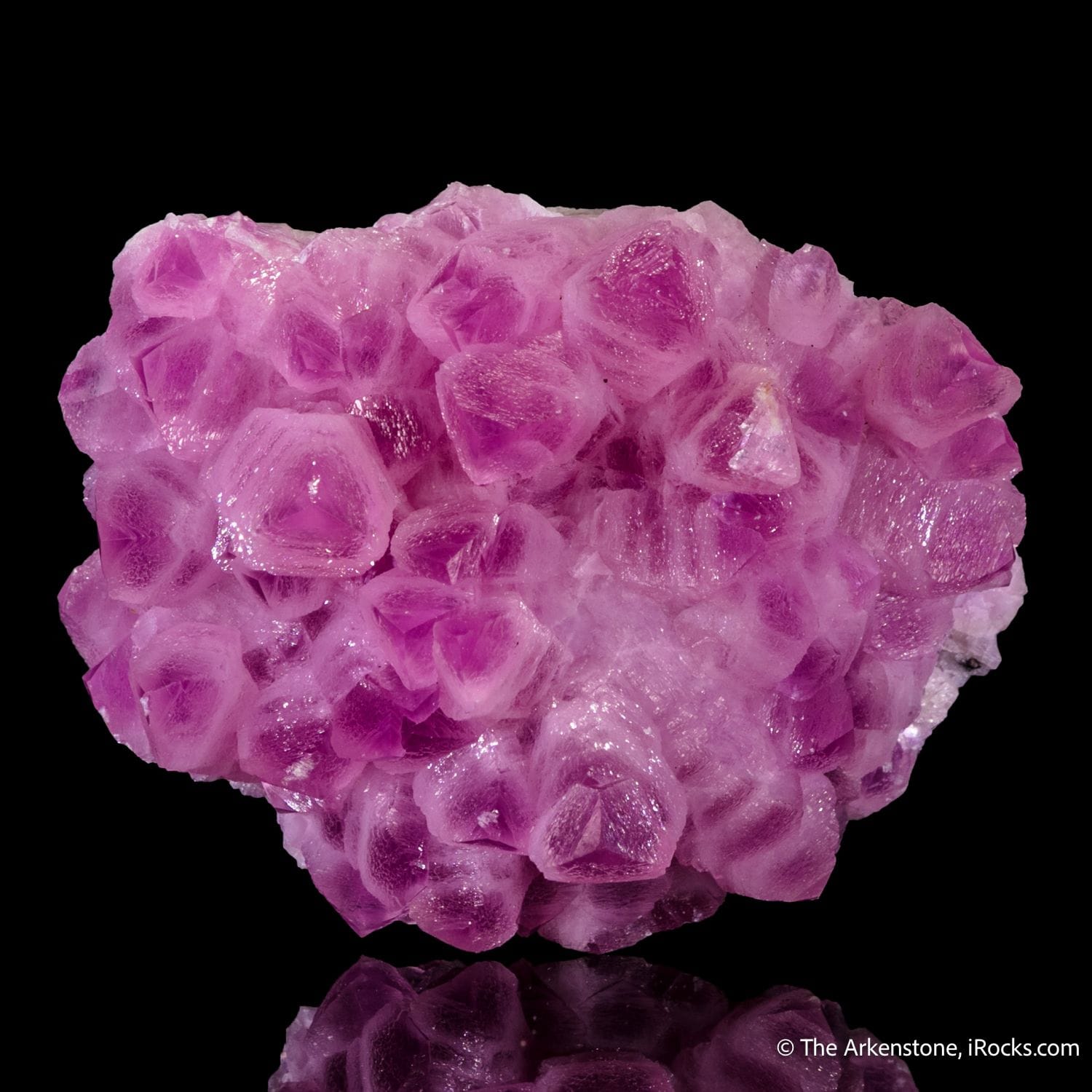
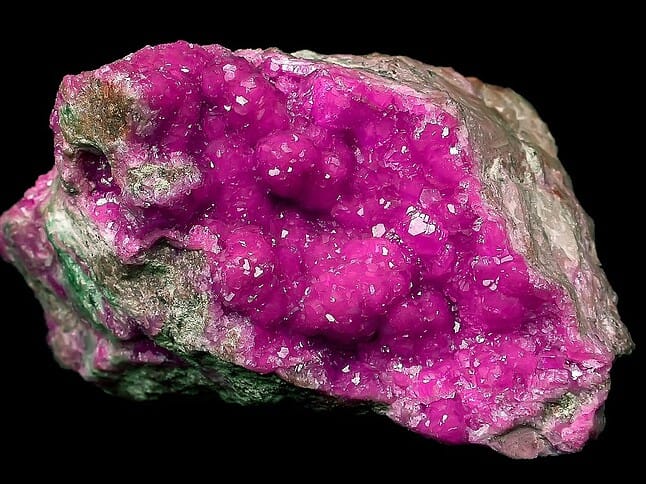
But the wrath of the Kobold didn’t end there. In smelting the ores to extract the metals, the "cursed" ore would release poisonous, arsenic-laden fumes that made the miners violently ill, causing them to retch and lose all energy. The miners, mystified by the toxic effects and the disappointing blue or pink-colored residue, blamed the mischievous kobold for replacing their valuable treasure with worthless rock. Due to the Kobold's erratic behavior, miners respected and feared the spirit, making offerings to keep them appeased and avoid their wrath.
From Curse to Commodity
As chemistry advanced, scientists began to unravel the mystery of the Kobold's "curse." The Swedish chemist Georg Brandt was the first to isolate the new, stubborn element in 1735, proving that the troublesome blue-producing compounds were not the work of spirits but a new metal in its own right.
In a nod to the folklore of the disgruntled miners, Brandt named the element after the spirit they had long blamed: cobalt. The name stuck, and over the centuries, cobalt transformed from a cursed ore initially deemed by miners to be worthless into a globally significant resource.
The legend Lives On
The tale of the Kobold is a reminder of how our understanding of the earth's resources has evolved. What was once attributed to the supernatural is now explained by science. Today, cobalt is no longer a miner's curse but a valuable asset that helps shape a more sustainable future. Cobalt is highly valued for its magnetic properties, durability, and high melting point, which makes it ideal for use in rechargeable batteries, superalloys used in medical imaging devices and jet engines, and electronics.
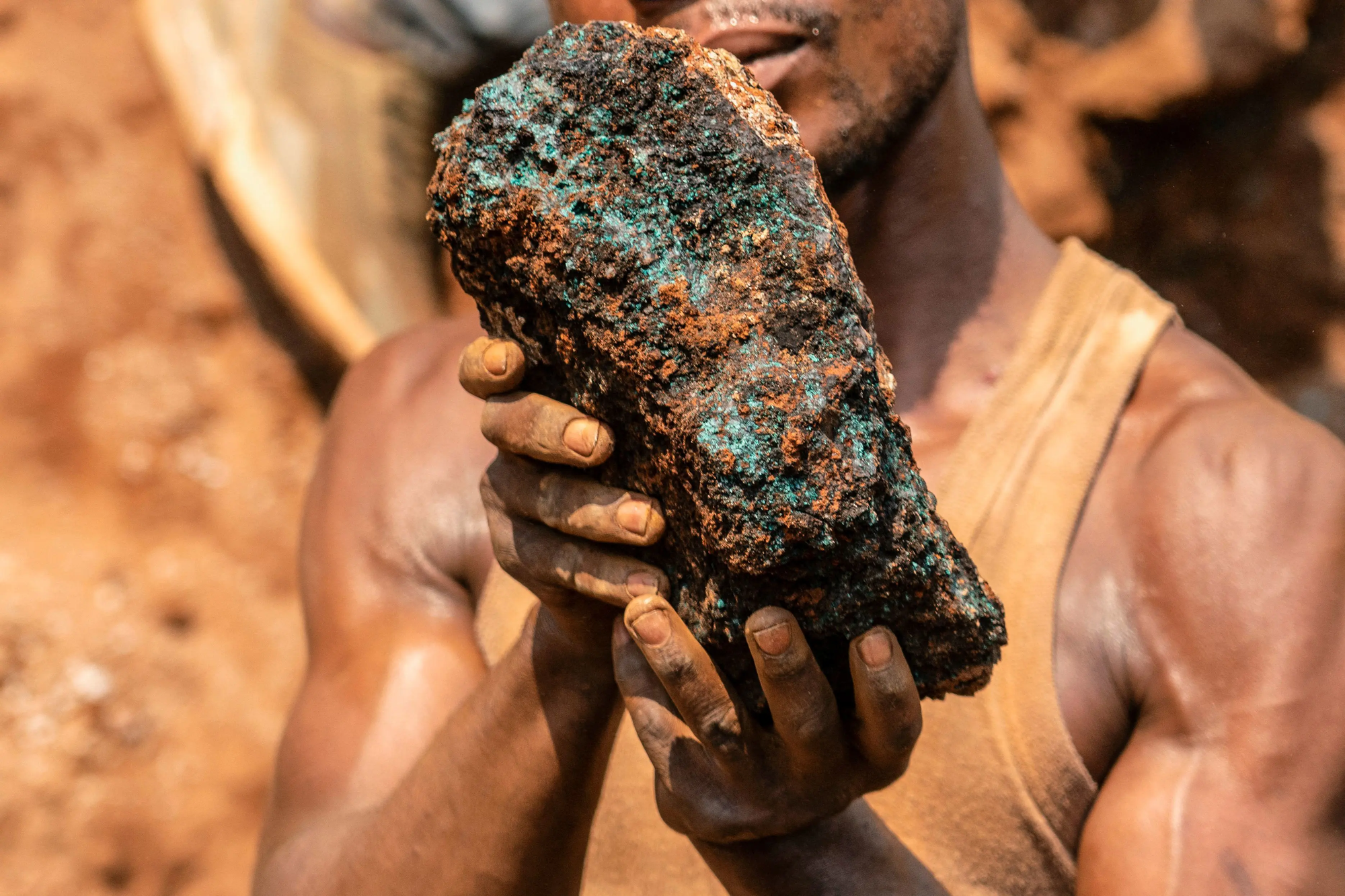
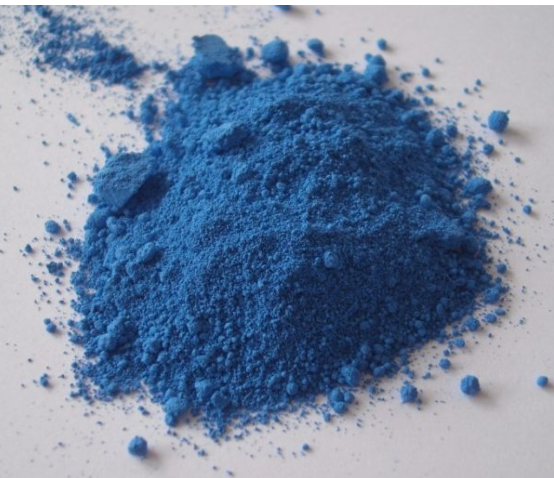
Cobalt’s importance has skyrocketed with the growth of renewable energy and electric vehicles (EVs), as it is essential in producing lithium-ion batteries which power devices ranging from smartphones to EVs. Cobalt also is still used in pigments for creating brilliant blue hues.
Concluding Thought
Consider the contrast: while we capture photos of scary staged Halloween scenes on peoples' lawns and houses, our smartphones contain elements that were once mined in conditions that were truly terrifying. The flickering torchlight of those mines once illuminated a reality far more feared than any haunted house or scary decorations and costumes. Happy Halloween!
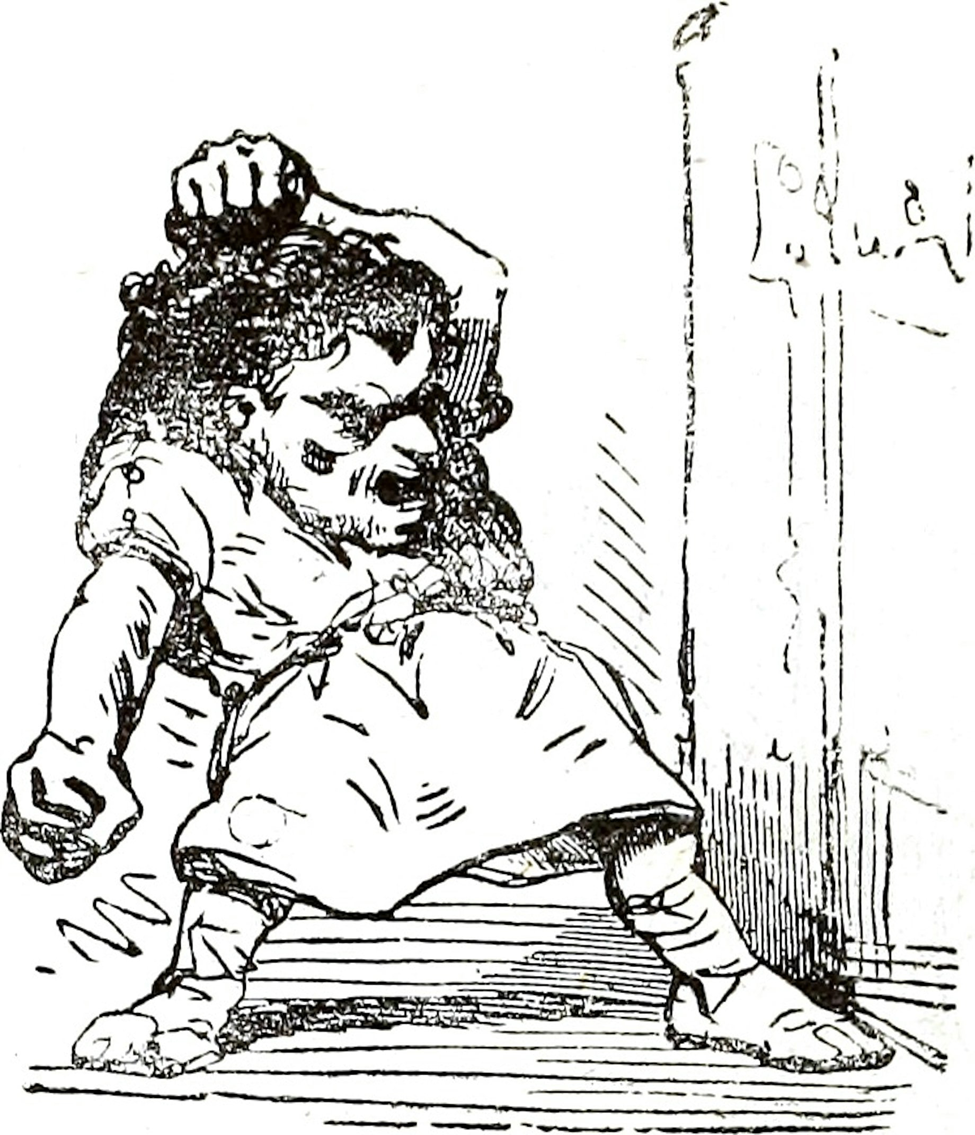
The subterranean spirits are those who dwell in caverns and other recesses of the earth, where they kill or suffocate or render insane miners in search of precious metals. The Germans call them Kobolds. They are gnomes, dwarfs not over an elf in height, and they help in cutting stones, getting out metals, packing them in baskets and hauling to the surface. They laugh and whistle and perform a thousand tricks, but their services often redound to the injury and death of those whom they serve. They cut the ropes, break the ladders, cause the fall of rocks, send poisonous vapor; and you will see rich mines abandoned for the fear of them... It is they who cause earthquakes... They are not only the guardians of the mines, but of hidden treasures, which they allow no one to take… --Pedro de Valderrama (c. 1617).