
Comparing the Luminosity of Calcite Species from the Sweetwater Mine, Reynolds County, Missouri
by Calvin Harris, MSDC Member
Introduction
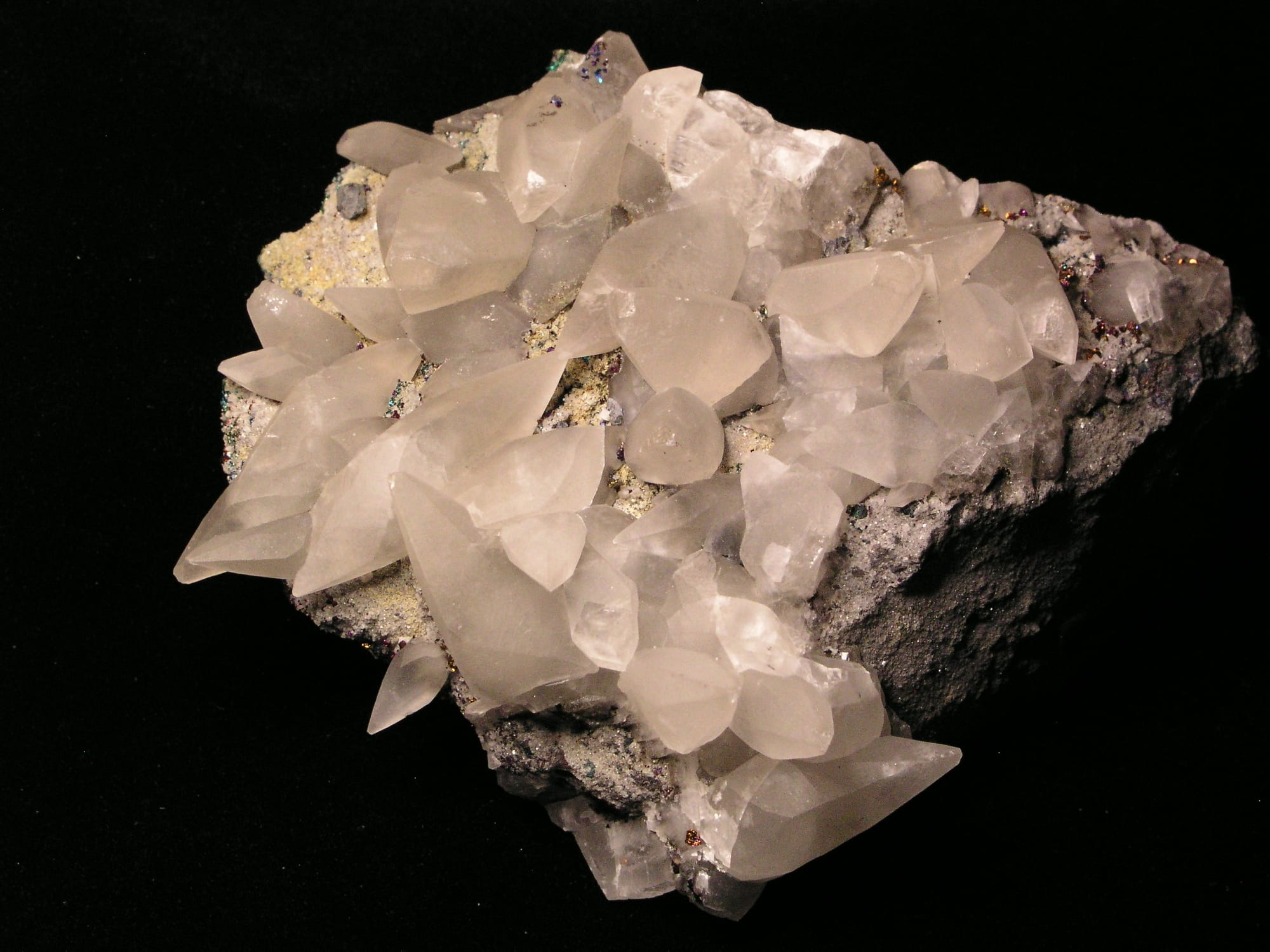
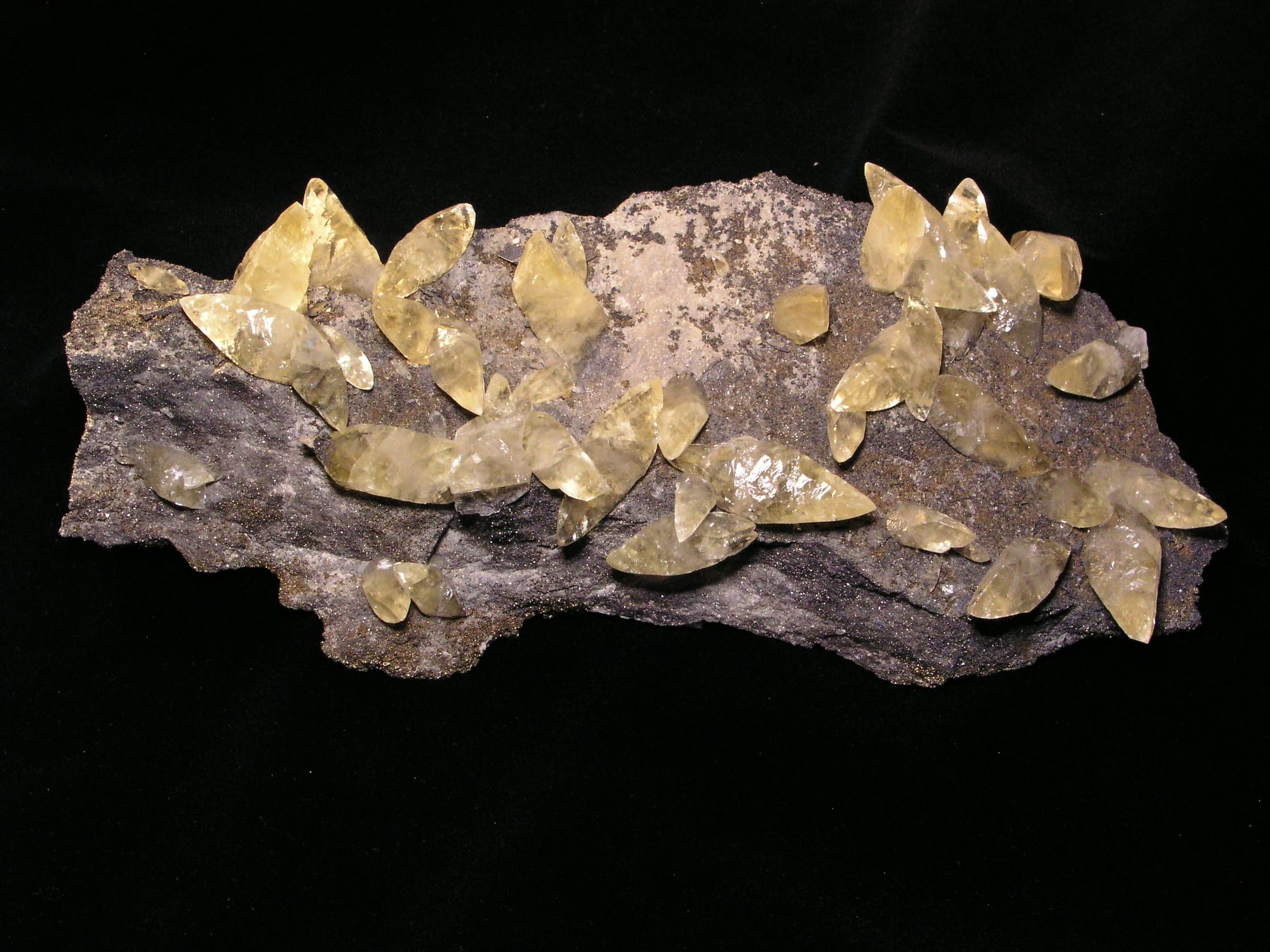
This article compares the luminosity of two different species of calcite from Sweetwater Mine, Reynolds County, Missouri. One of the types is a recent and limited find. It is devoid of the color that is typically found in calcite from this mine, but has similar crystalline characteristics.
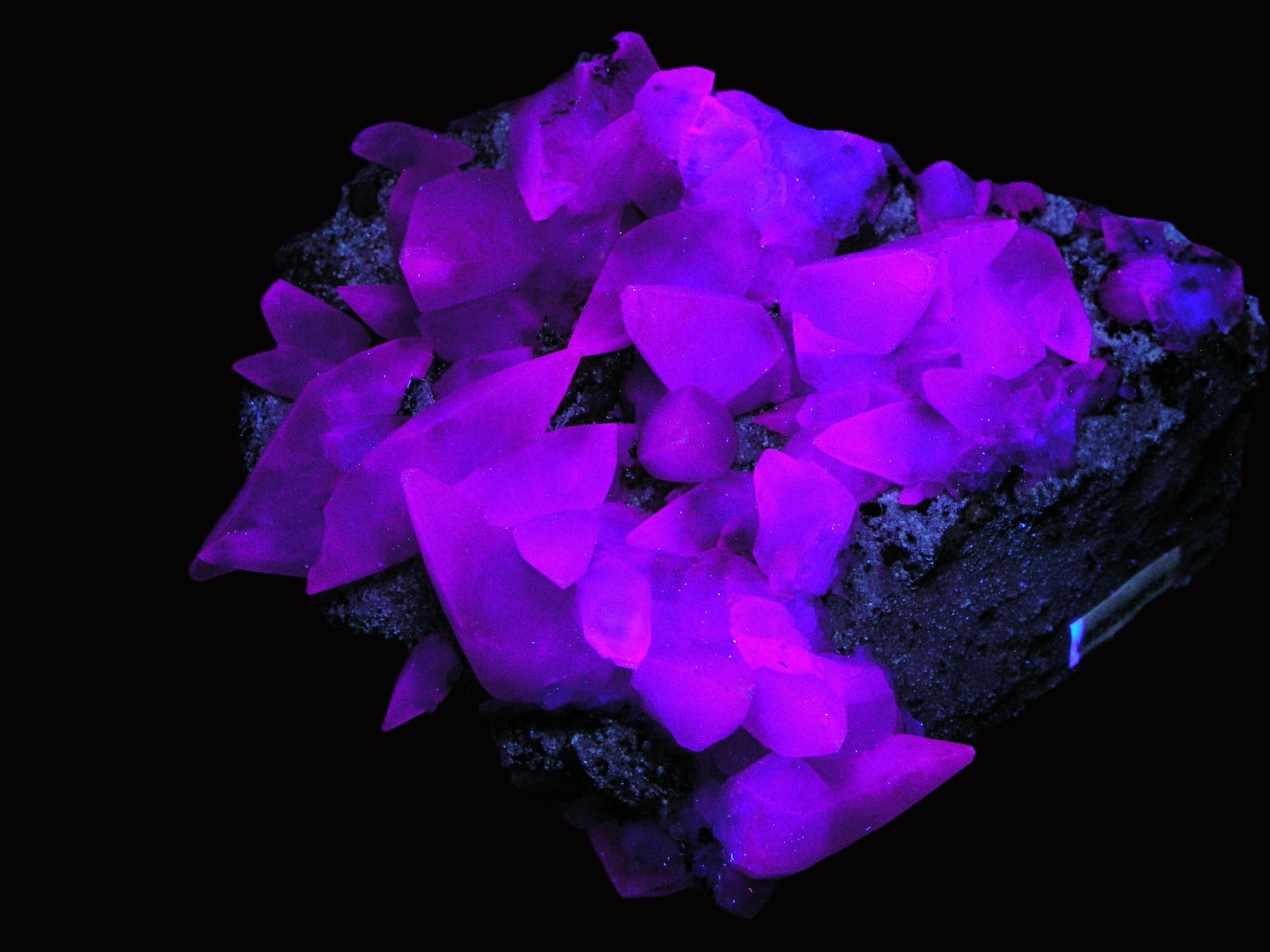
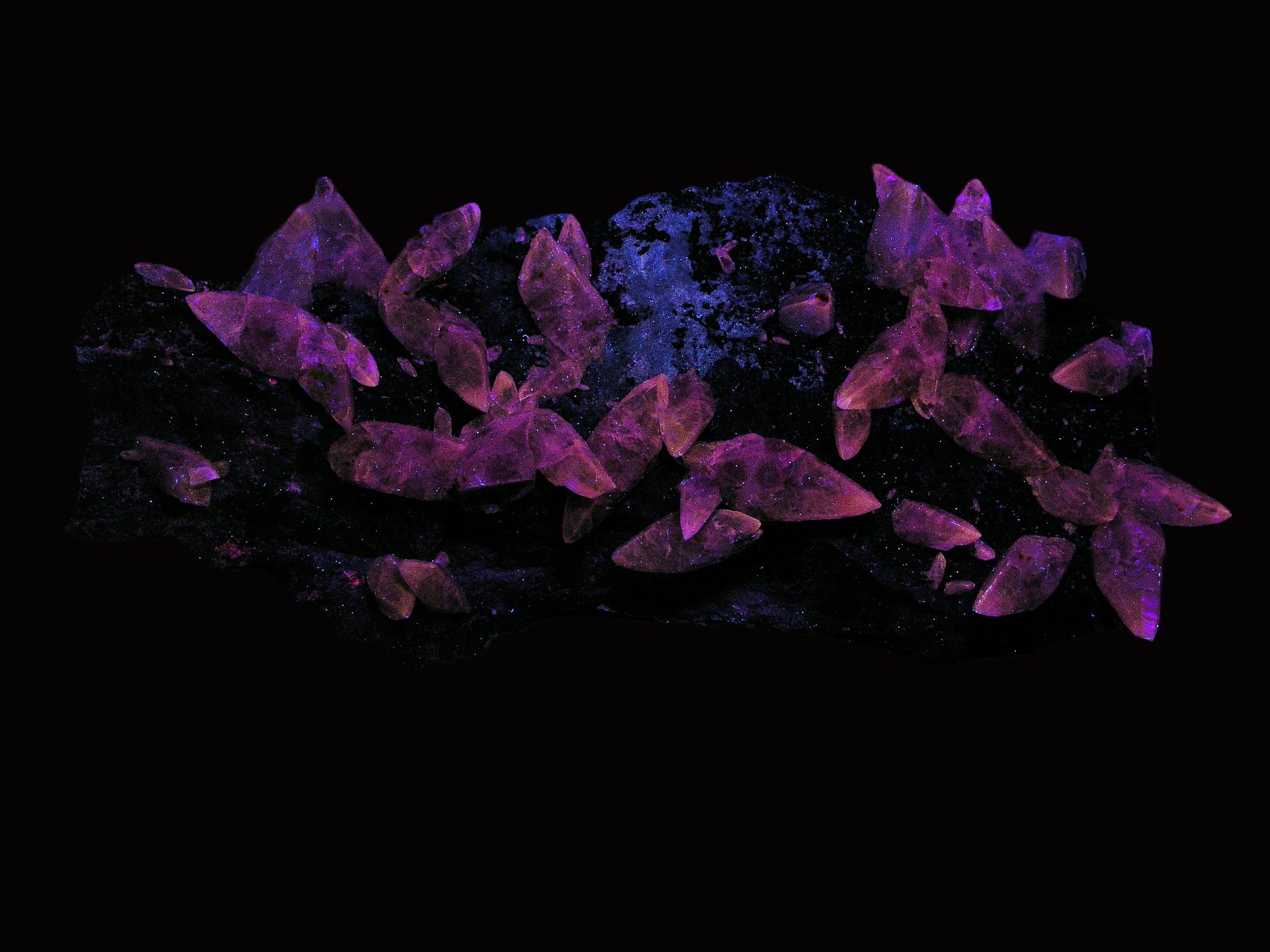
The comparison is based on fluorescence and Brief Intense Phosphorescence (BIP) displayed by equal numbers of each species. BIP is a rare mineralogical phenomenon characterized by a bright, rapid flash of light that occurs immediately after an ultraviolet (UV) light source is removed.
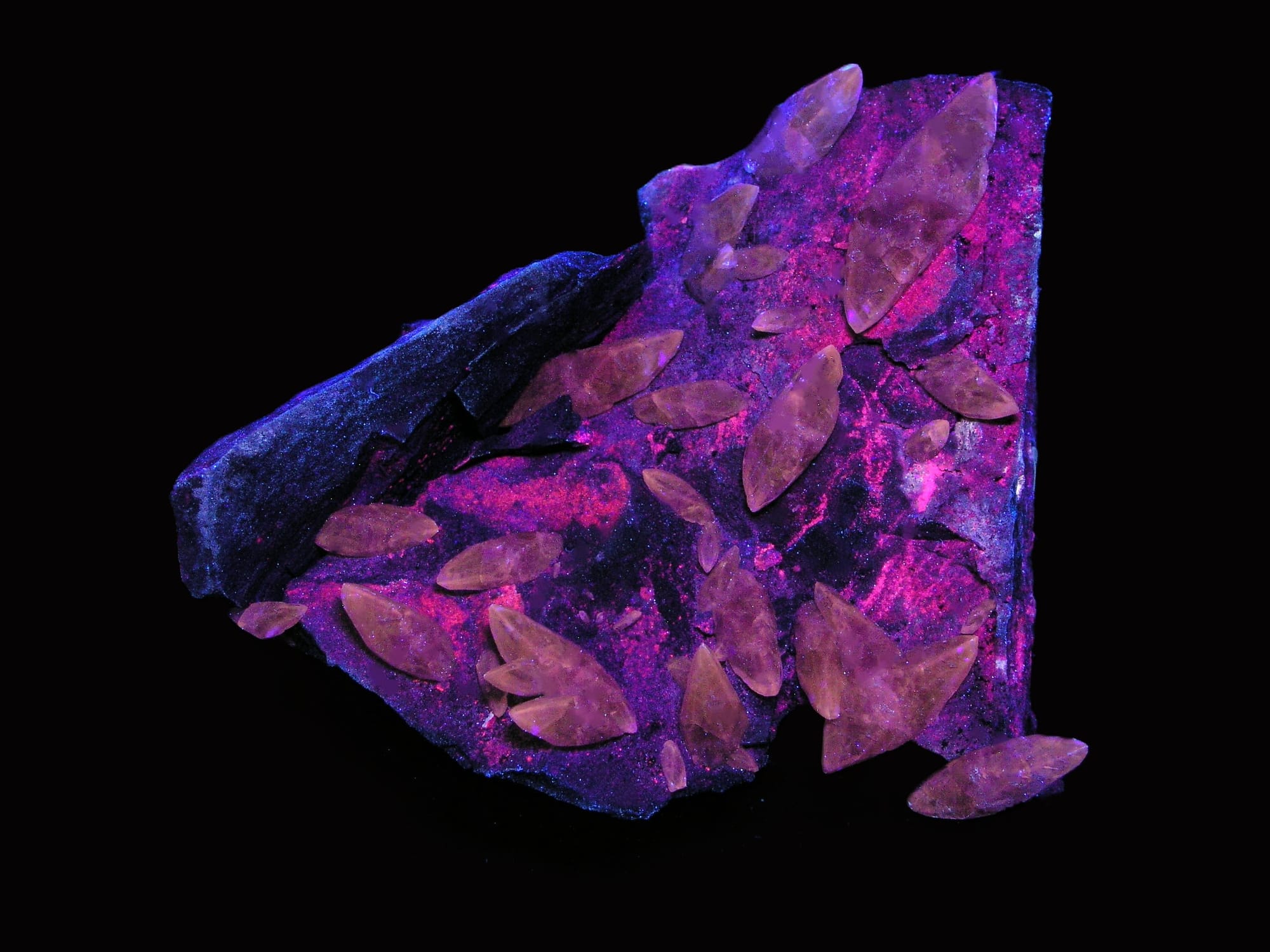
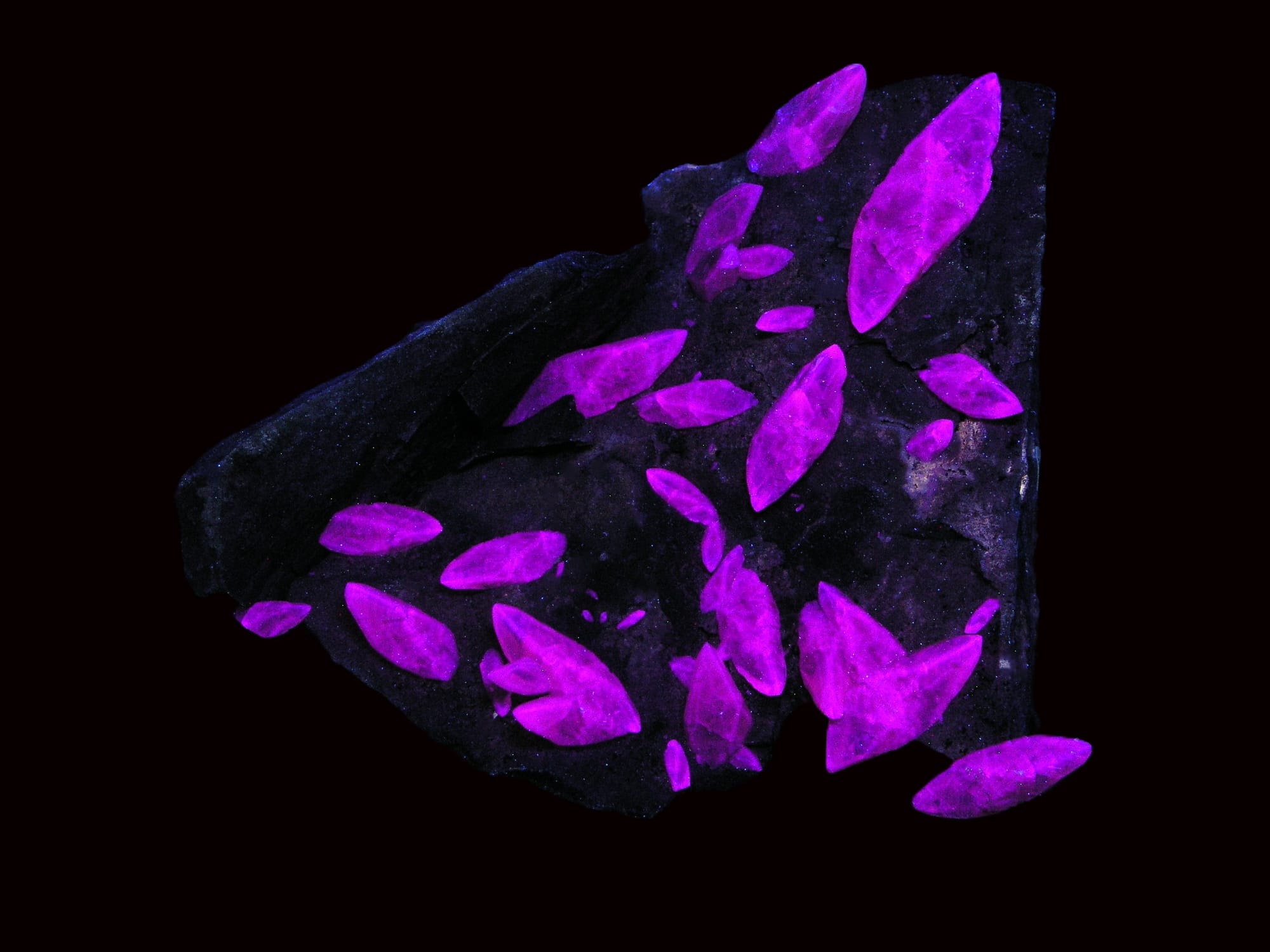
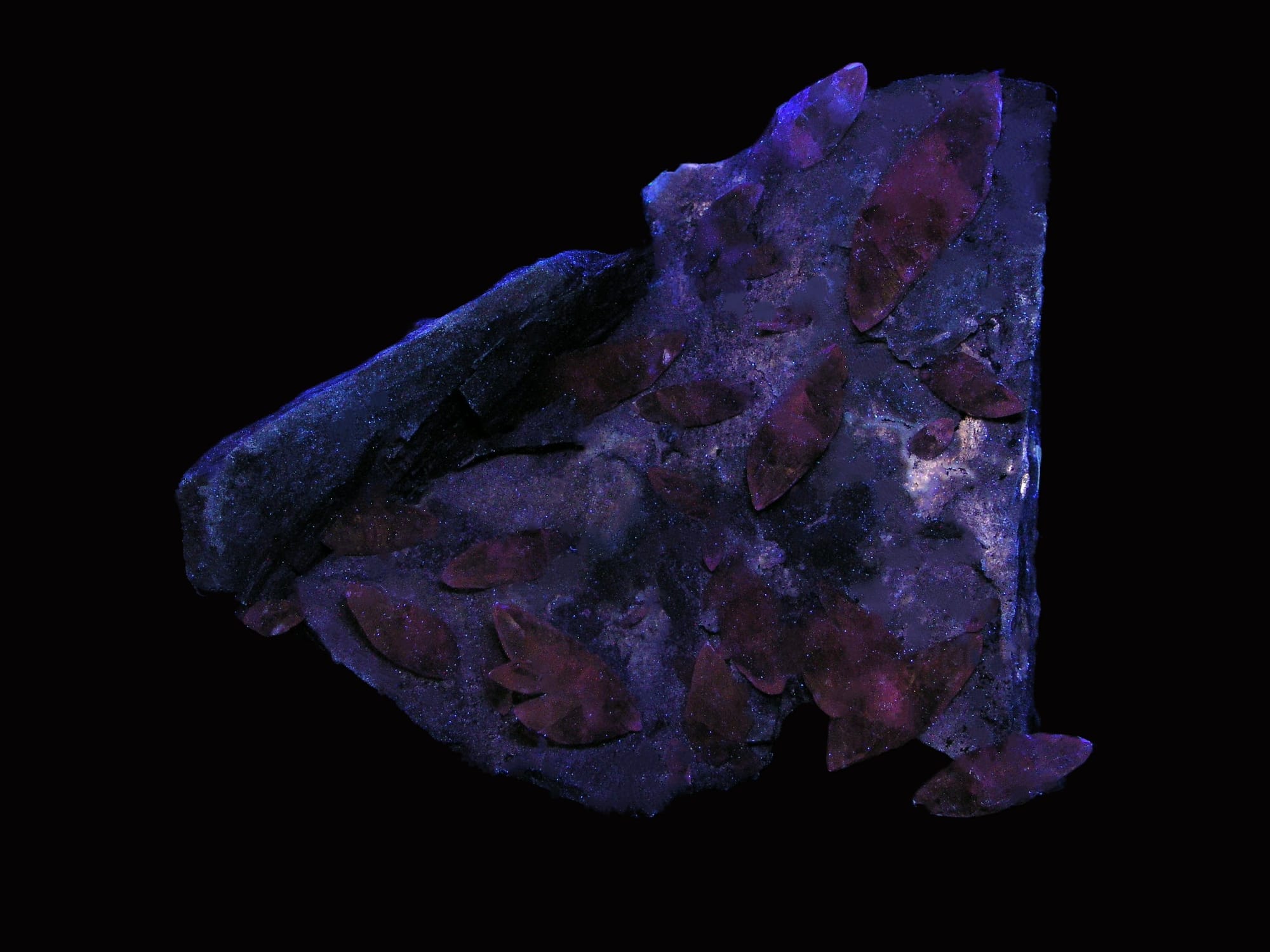
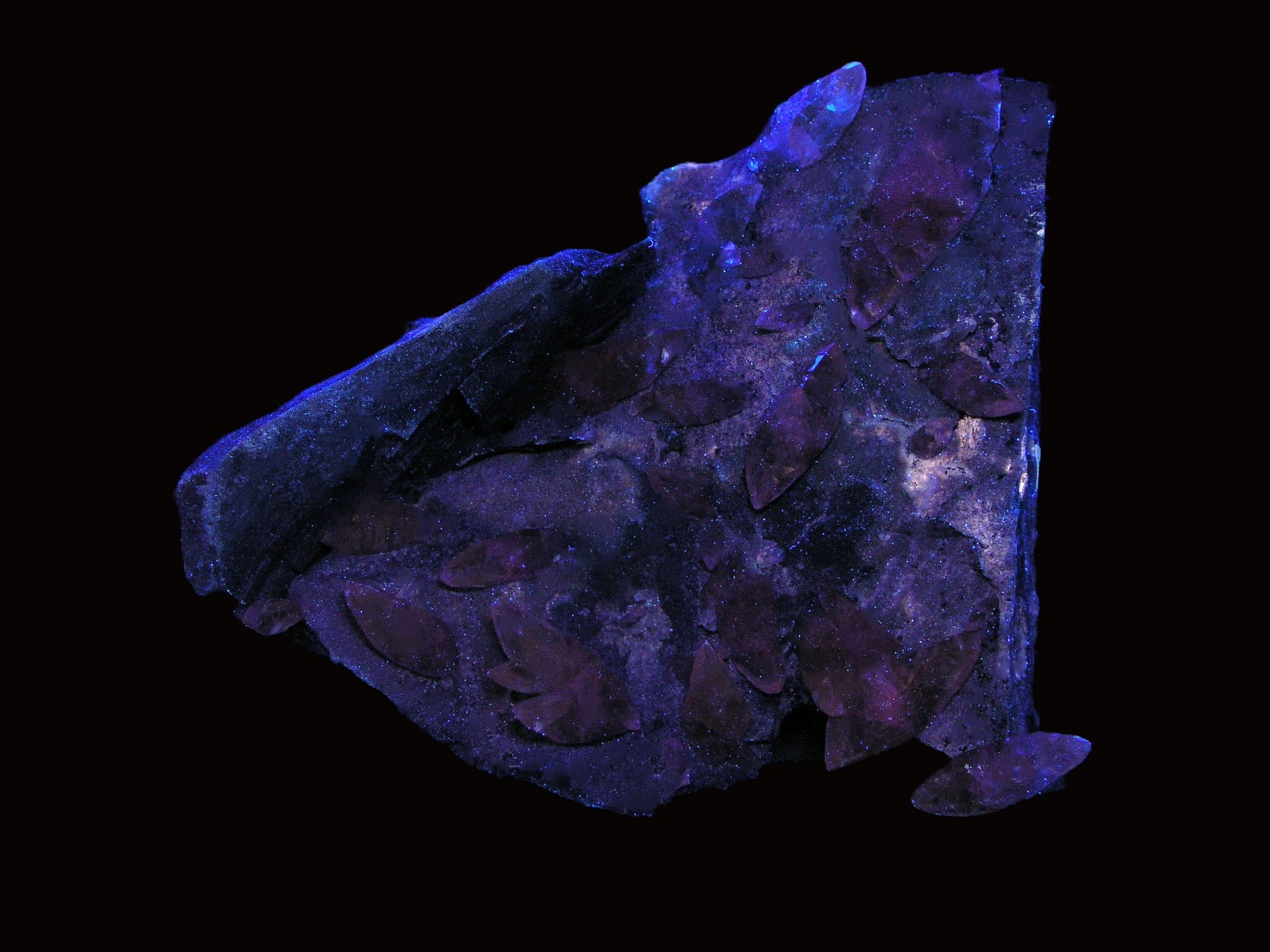
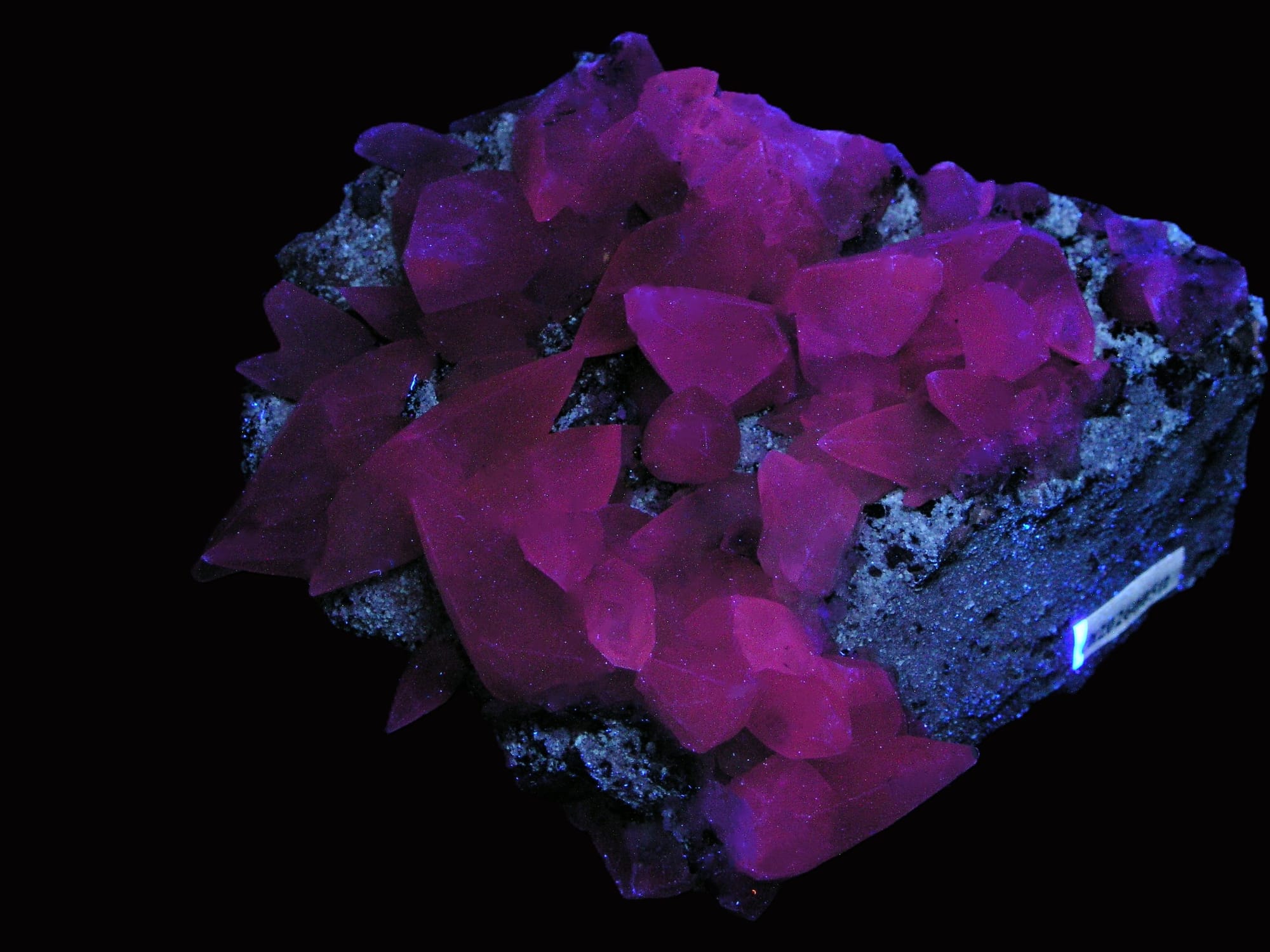
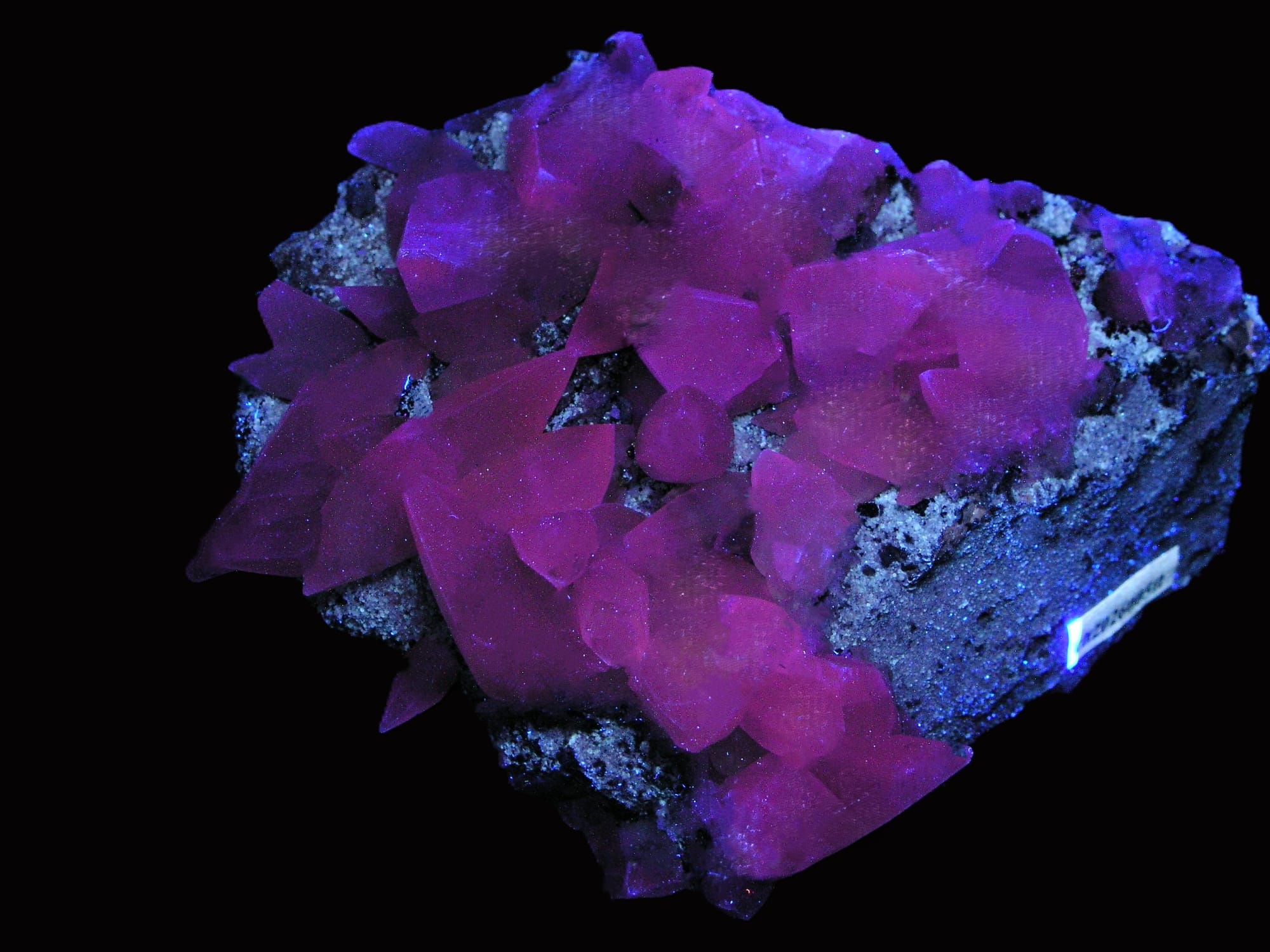
The fluorescence was produced by shortwave (254nm), mid-wave (312nm), longwave (351nm) and longwave (370nm) radiation. Brief Intense phosphorescence was produced by an unconventional ultraviolet source that emits an undetermined wavelength.
Fluorescence can occur when sufficient quantities of manganese and lead ions become incorporated within the crystalline structure of calcite. It is likely that trace quantities of these ions were constituents of the original, low-temperature saline solution.
Mineralization & Geology
The Sweetwater Mine is an underground lead-zinc mine in Reynold's County, Missouri. The ore is a Mississippi Valley Type (MVT) deposit within the Viburnum Trend located near Ellington, Missouri. MVT deposits are epigenetic (mineral deposits formed after the surrounding host rocks were already in place), where low temperature (50°-200°C) saline solutions infiltrate limestone or dolostone strata.
The mine features eight distinct orebodies within Cambrian-aged dolomite, specifically within the Bonneterre formation, and contains abundant quantities of lead and zinc. Nickel and cobalt also are mined. Key minerals found there include galena (lead), sphalerite (zinc), chalcopyrite (copper), and calcite.
Description of Minerals Used
The study included three cabinet specimens consisting of gray, well-developed translucent scalenohedral crystals. Three additional specimens, consisting of yellow, translucent scalenohedral crystals, also were included in the study. The gray crystal dimensions range from 0.5 to 2.3cm, while the yellow crystals measure 0.5 to 4.8cm. Some of the specimens are associated with small crystals of pyrite or chalcopyrite; each one was perched on gray dolomite matrixes. All of specimens were purchased in January 2026 via the internet.
Test Procedures
Ultraviolet lamps, manufactured by UVSYSTEMS, INC., based in Renten, WA were placed 3 to 4 inches from the specimens to observe fluorescence. Testing revealed that the specimens did not exhibit phosphorescence. A DC electric source was used to operate the lamps.
A Vivitar 283 photographic flash unit was used to determine flash or Brief Intensity Phosphorescence. Flash indicates that manganese and lead are present in sufficient quantities to produce this type of phosphorescence.
Observations and Remarks
1) The results indicate no significant difference in luminosity among the specimens.
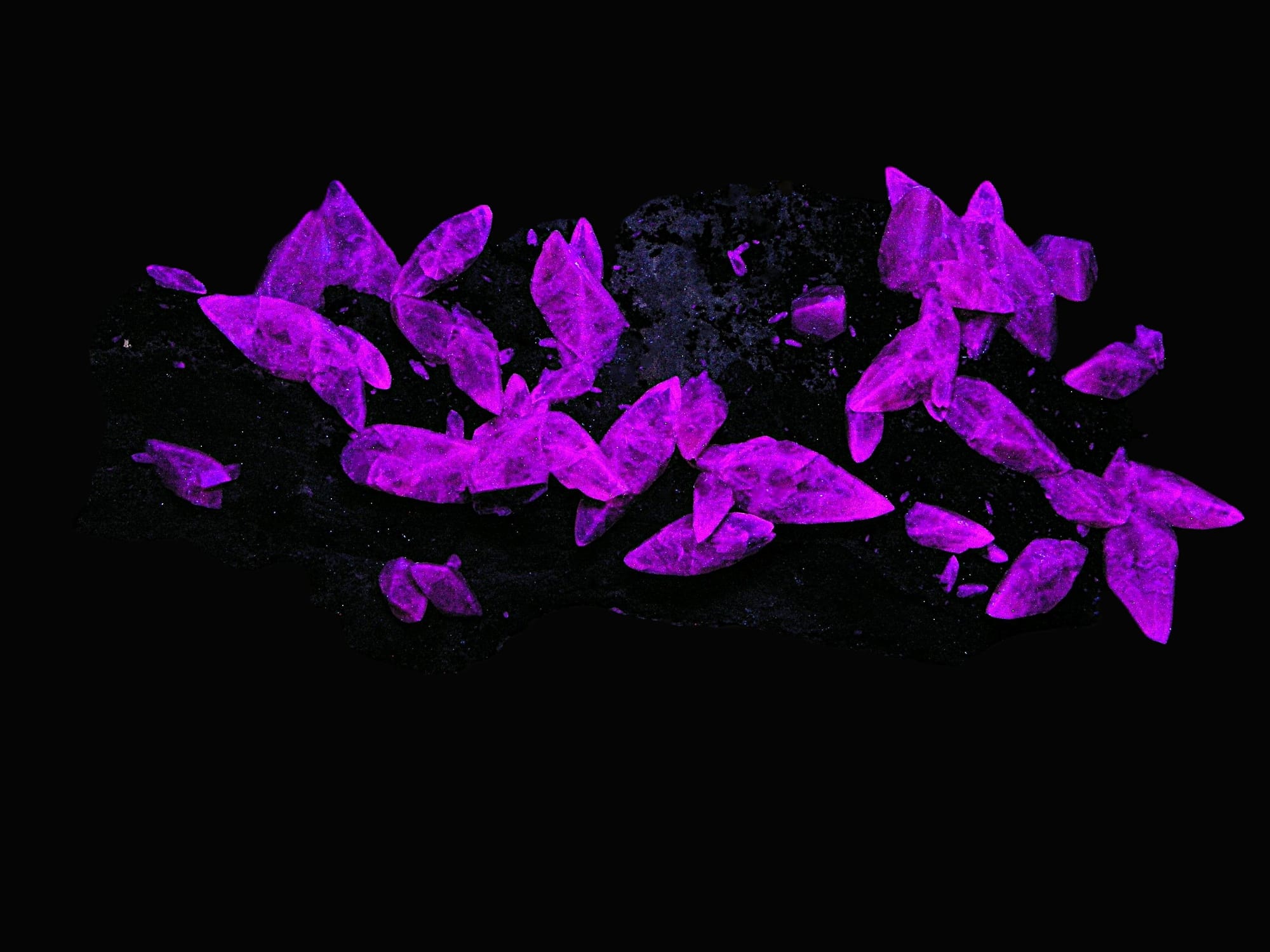
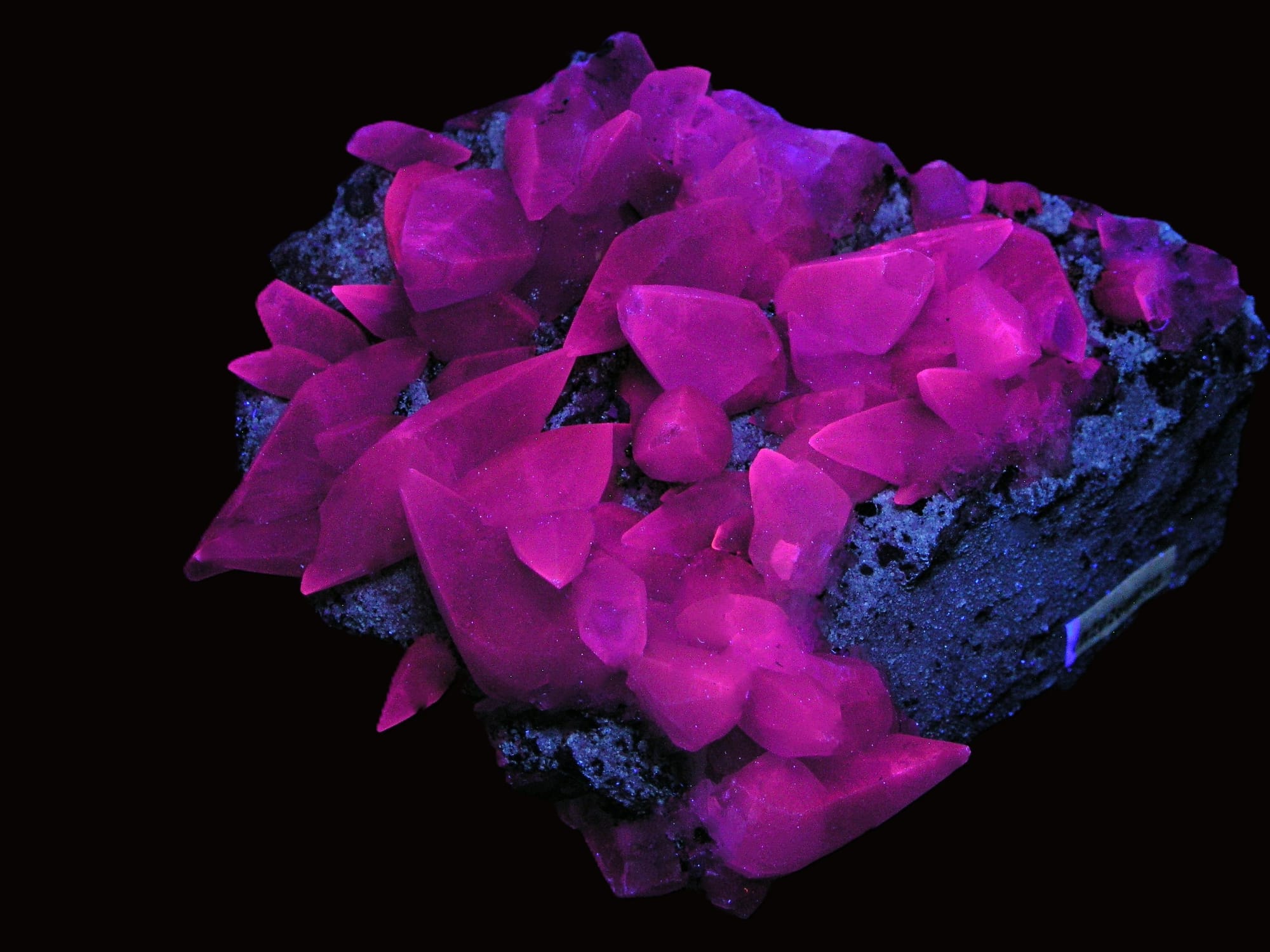
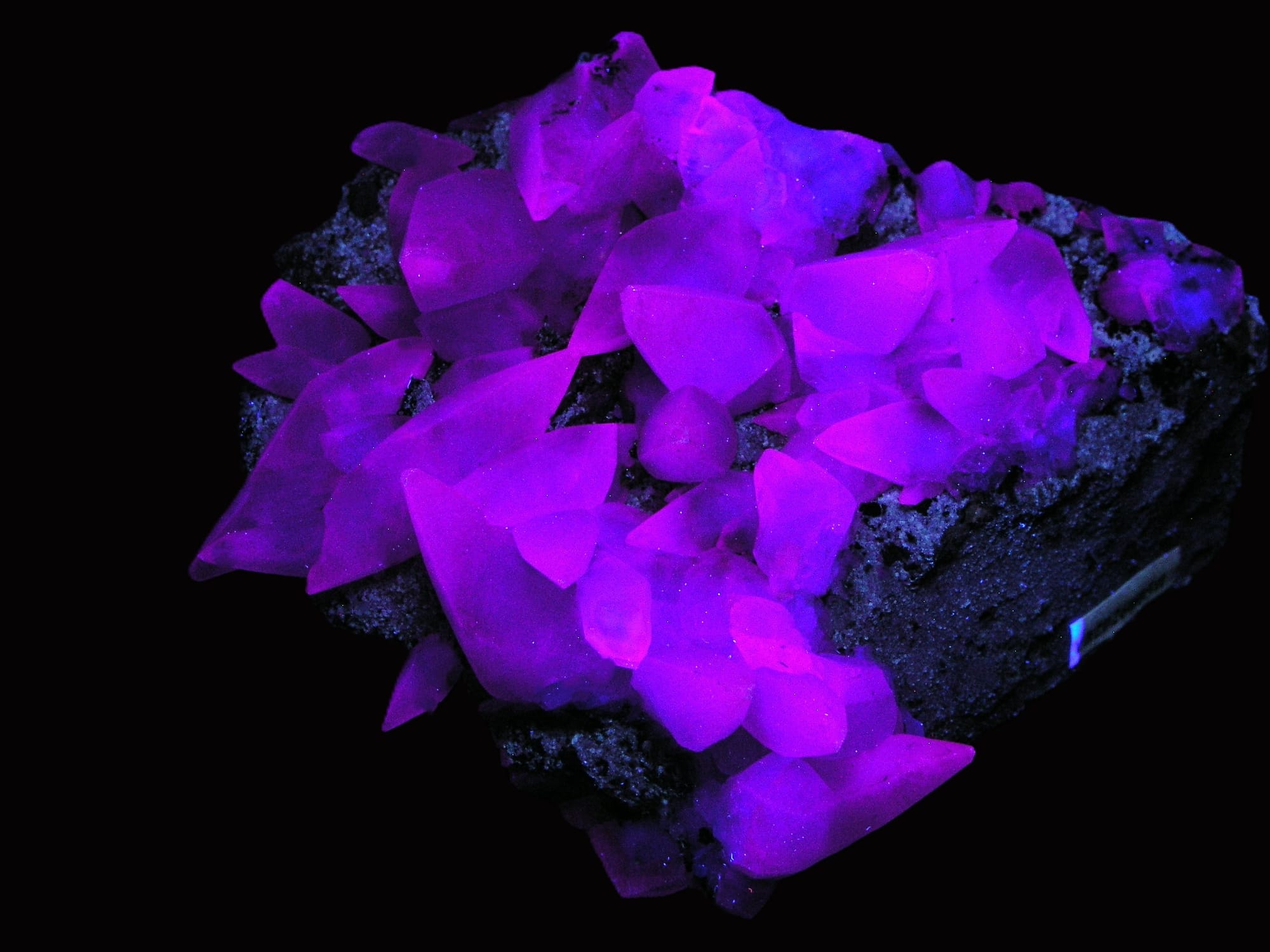
2) Mid-wave radiation provided the most vivid results, while longwave showed a marked reduction in intensity. Shortwave radiation produced a variant color response compared to the other sources.
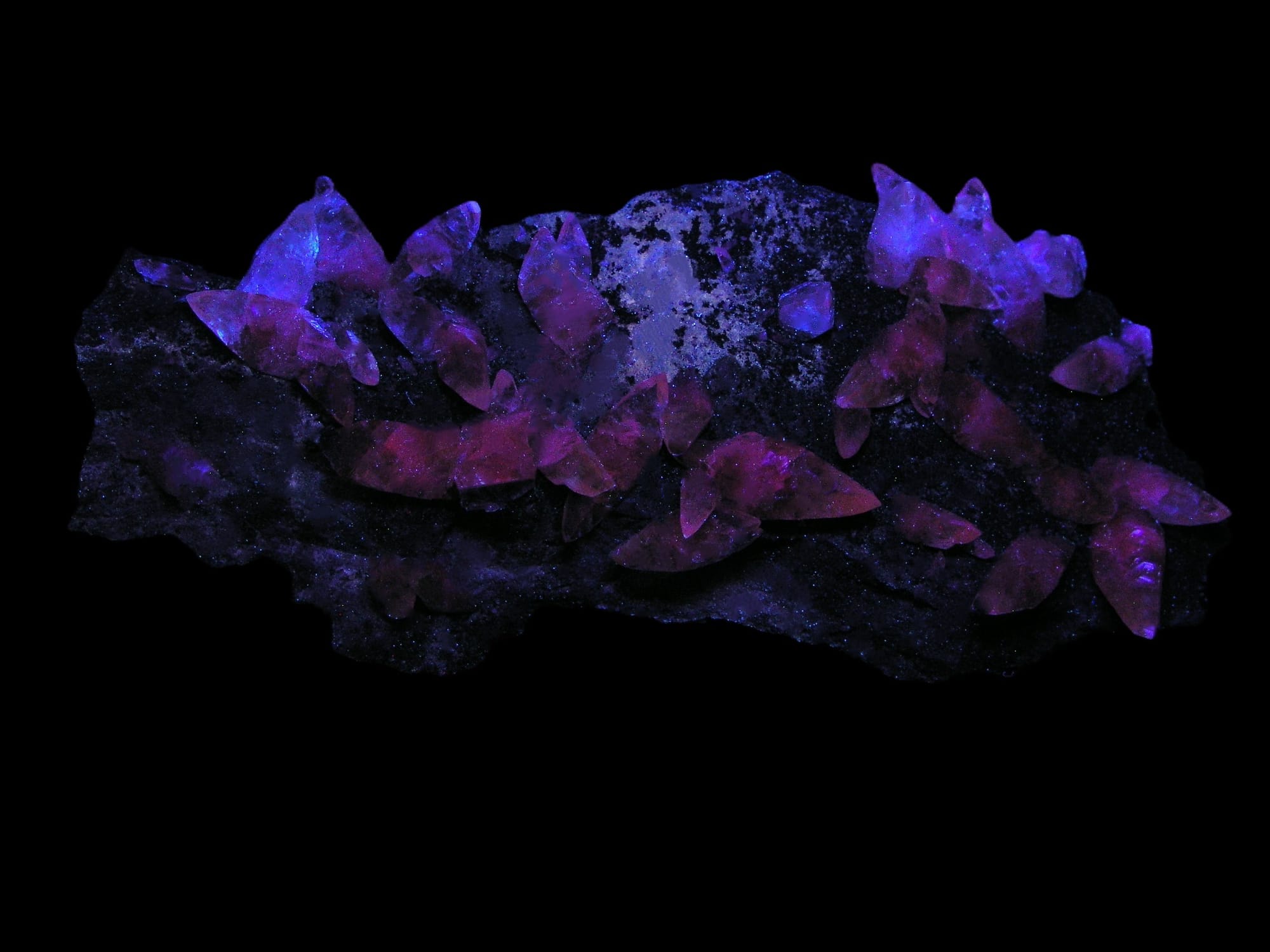
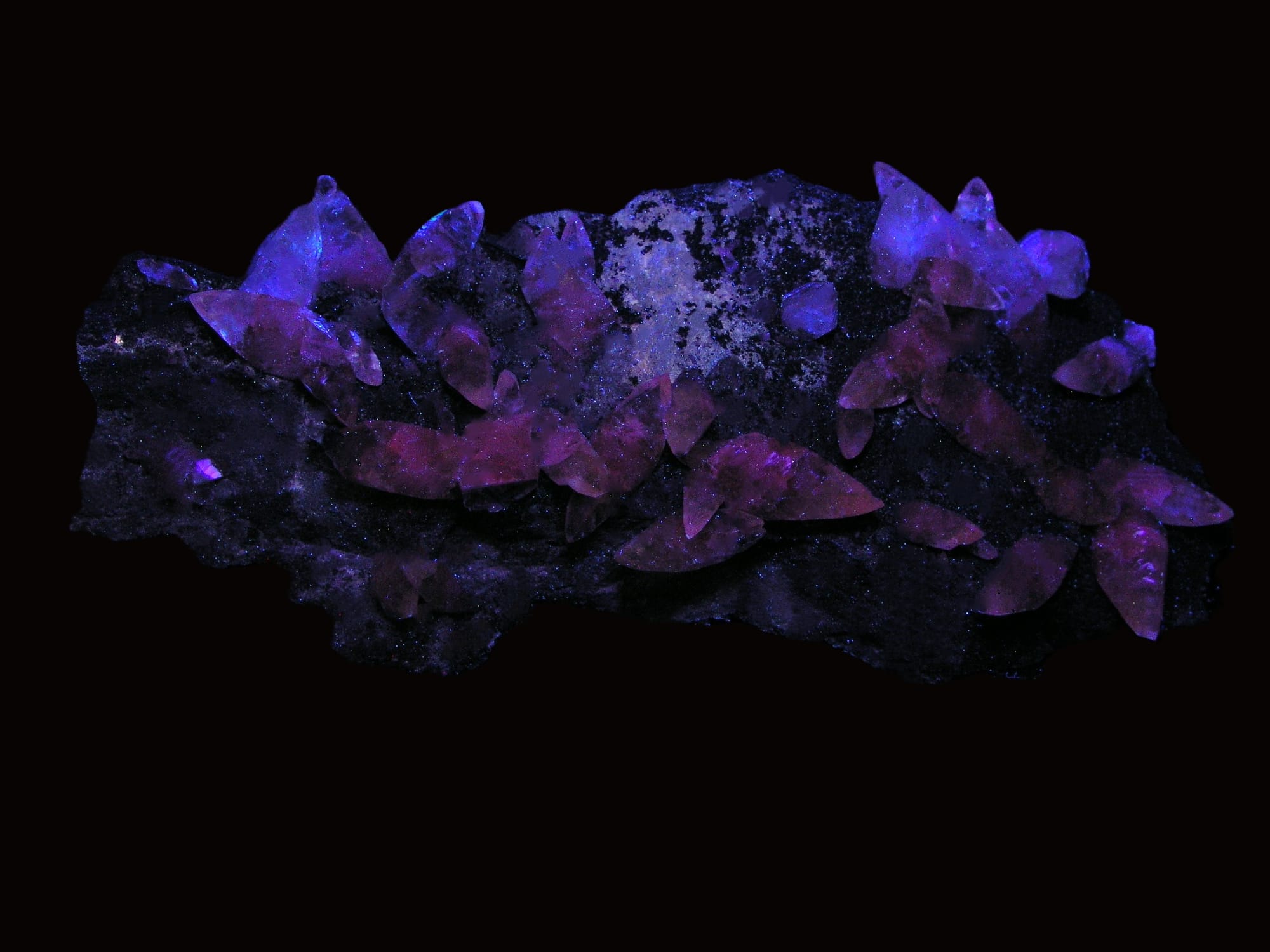
3) Brief Intense phosphorescence varied slightly while color was consistent. The inconsistency was likely due to variable concentrations of activators needed for optimal results.
4) Research is needed to identify the cause of the variant fluorescent color response by shortwave radiation and the reason mid-wave radiation produced the most vivid response.
5) Extensive exposure times were needed to provide meaningful images. Times ranging from 10 seconds to 16 seconds were frequently used. As a result, other luminosity was recorded. Additional research would determine the undetected minerals.
Summary of Results
Specimen A
|
Wavelength |
Fluorescents |
|
Shortwave (254nm) |
Low intensity,
burnt-orange color |
|
Mid-wave (312nm) |
Moderate intensity,
magenta color |
|
Longwave (351nm) |
Very low intensity,
magenta color |
|
Longwave (370nm) |
Very low intensity,
magenta color |
|
Flash Test |
Moderate-bright intensity,
red-orange color |
Specimen B
|
Wavelength |
Fluorescents |
|
Shortwave (254nm) |
Low intensity,
burnt-orange color |
|
Mid-wave (312nm) |
Moderate-low intensity,
magenta color |
|
Longwave (351nm) |
Very low intensity,
magenta color |
|
Longwave (370nm) |
Extremely low intensity,
magenta color |
|
Flash Test |
Moderate-bright intensity,
red-orange color |
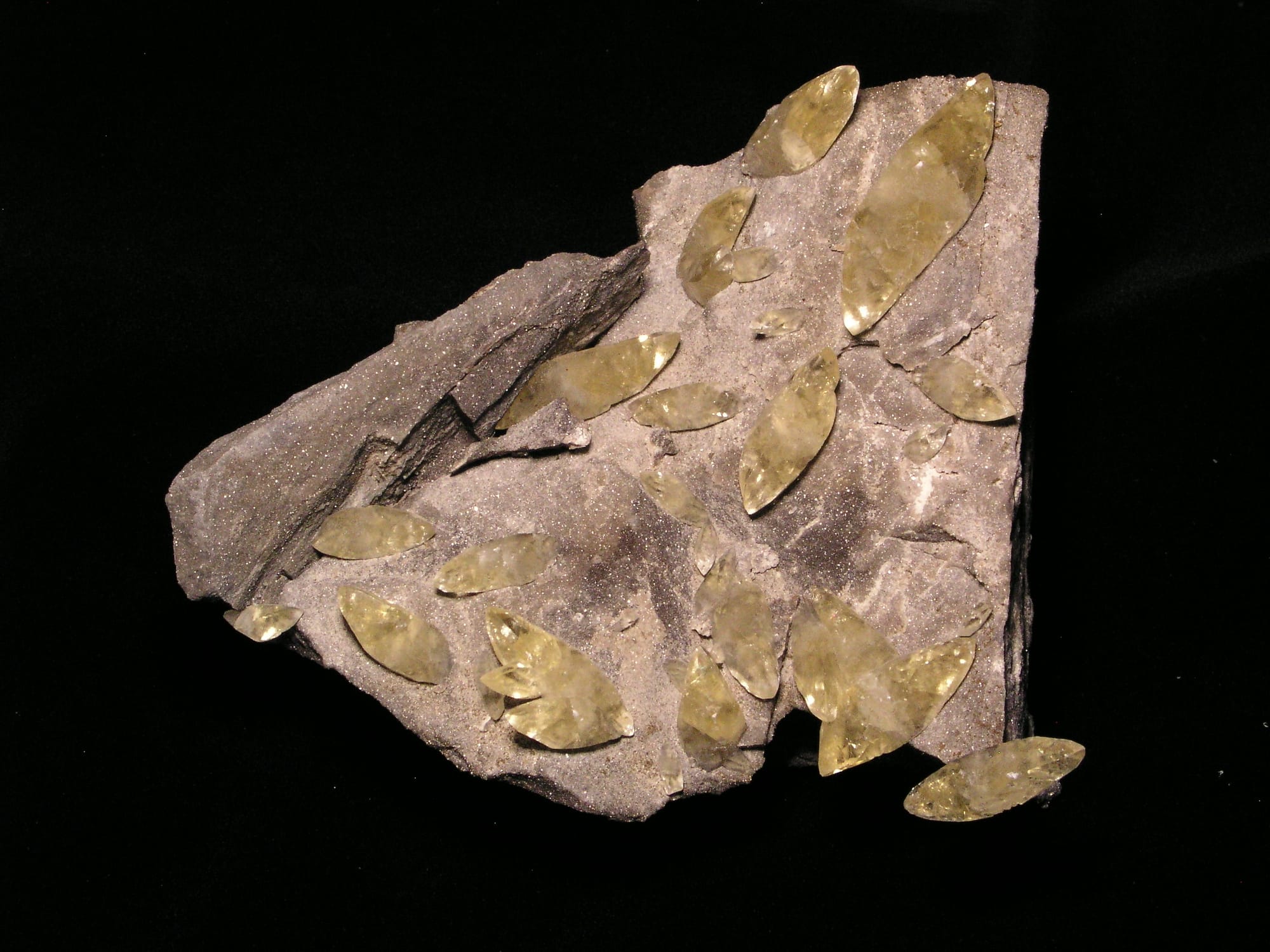
Specimen C
|
Wavelength |
Fluorescents |
|
Shortwave (254nm) |
Moderate-low intensity,
magenta color |
|
Mid-wave (312nm) |
Moderate intensity,
magenta color |
|
Longwave (351nm) |
Moderate-low intensity,
magenta with orange tint |
|
Longwave (370nm) |
Moderate-low intensity,
magenta with orange tint |
|
Flash Test |
Moderate-bright intensity,
red-orange color |
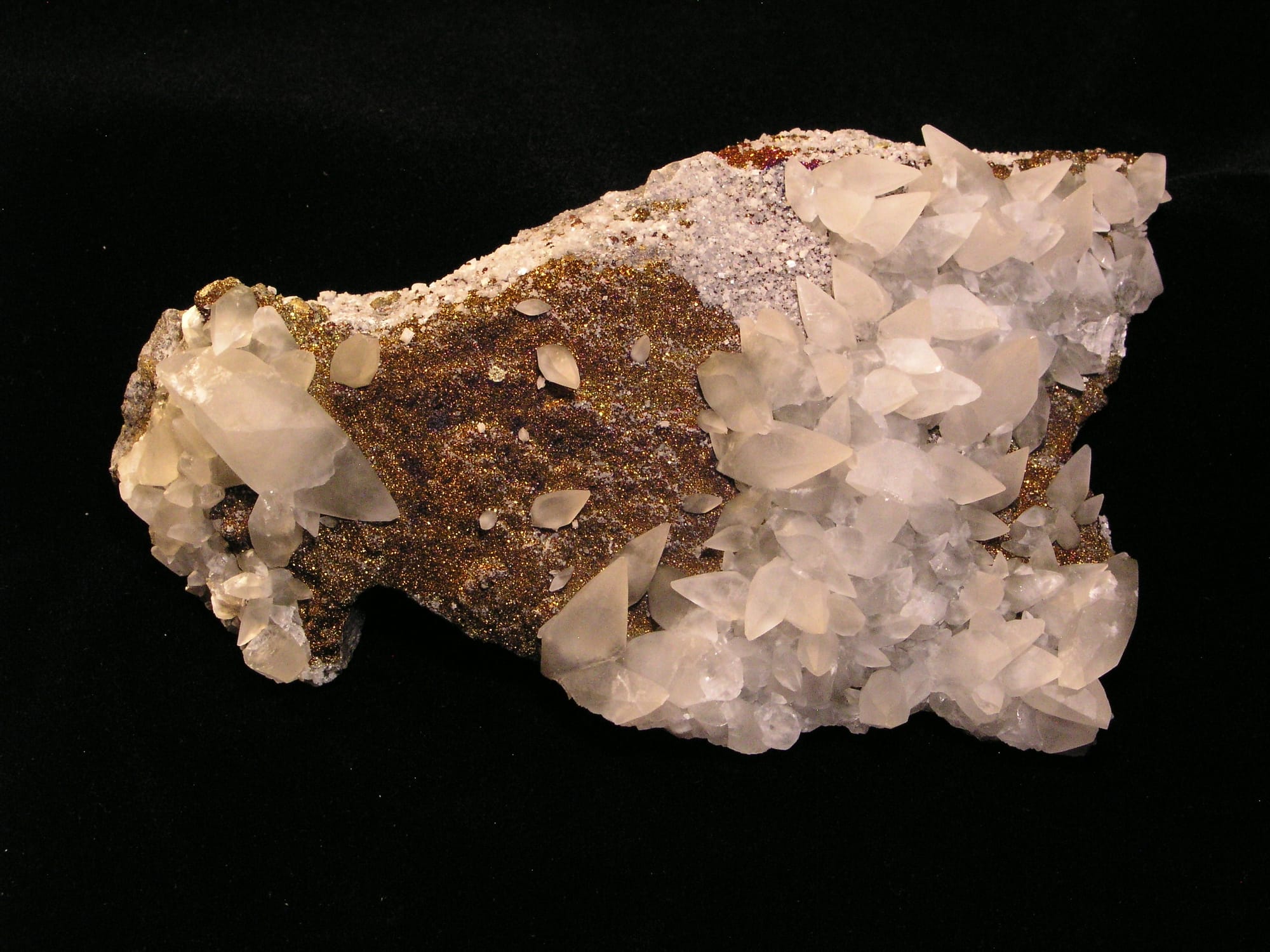
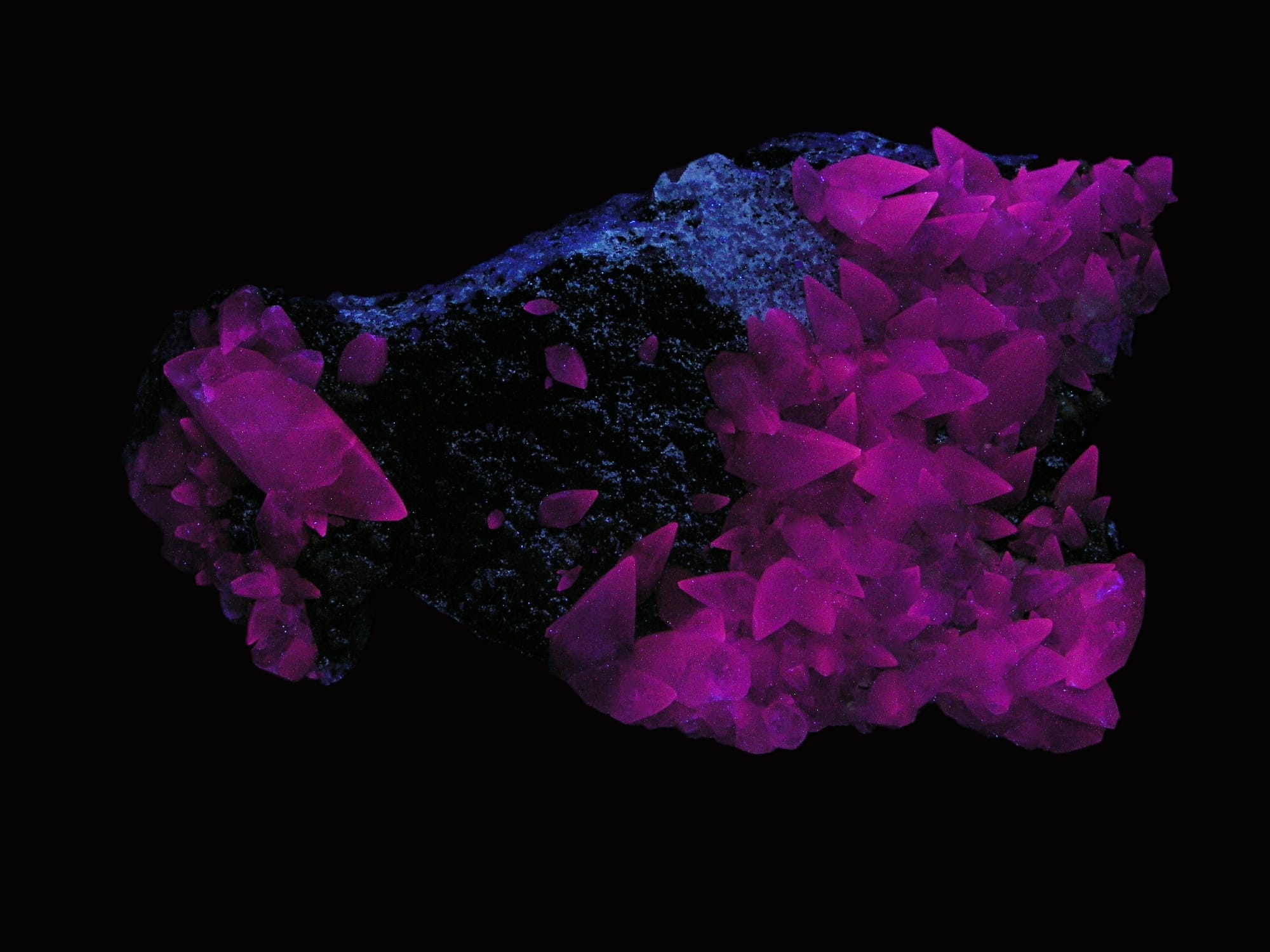
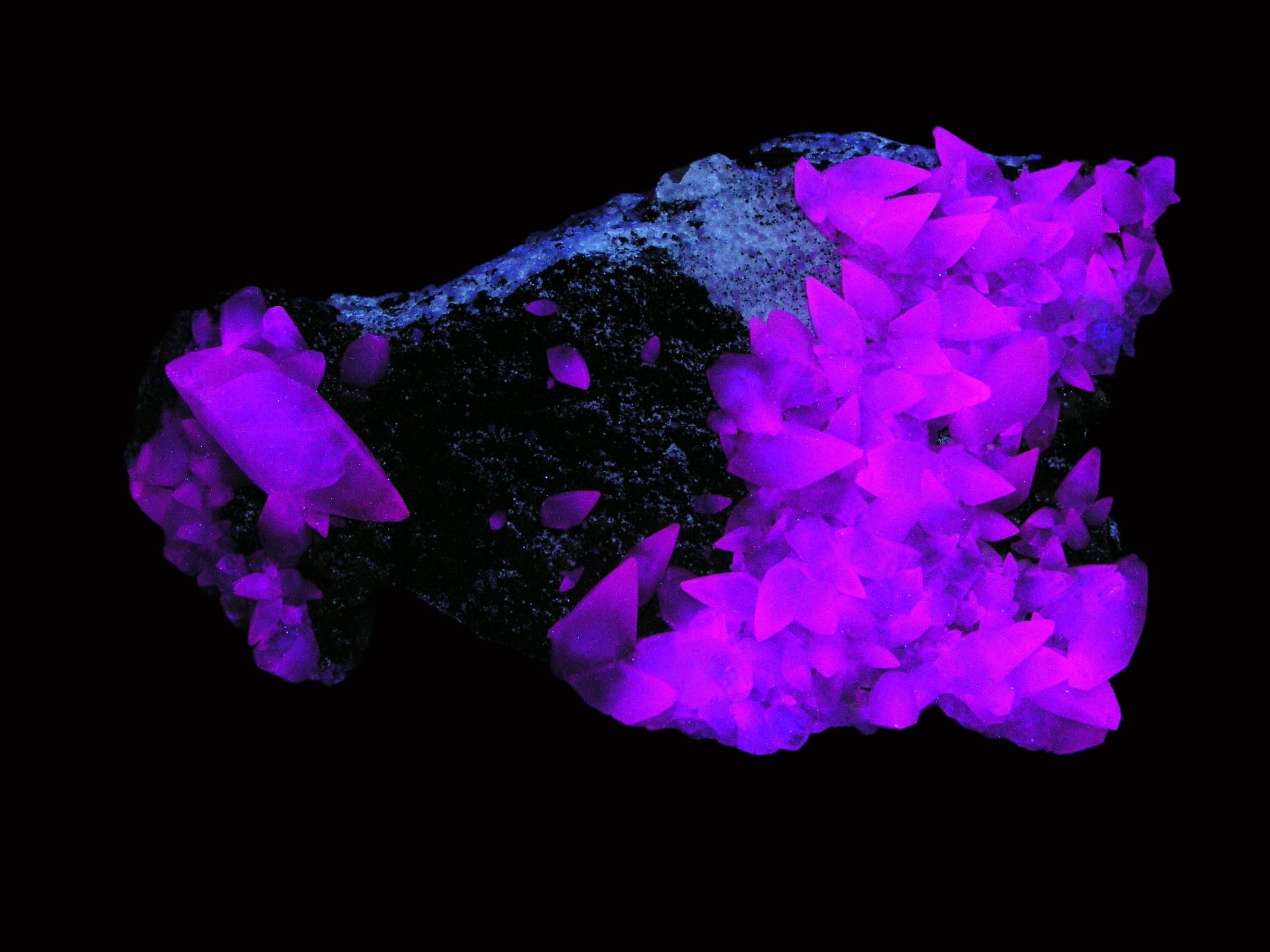
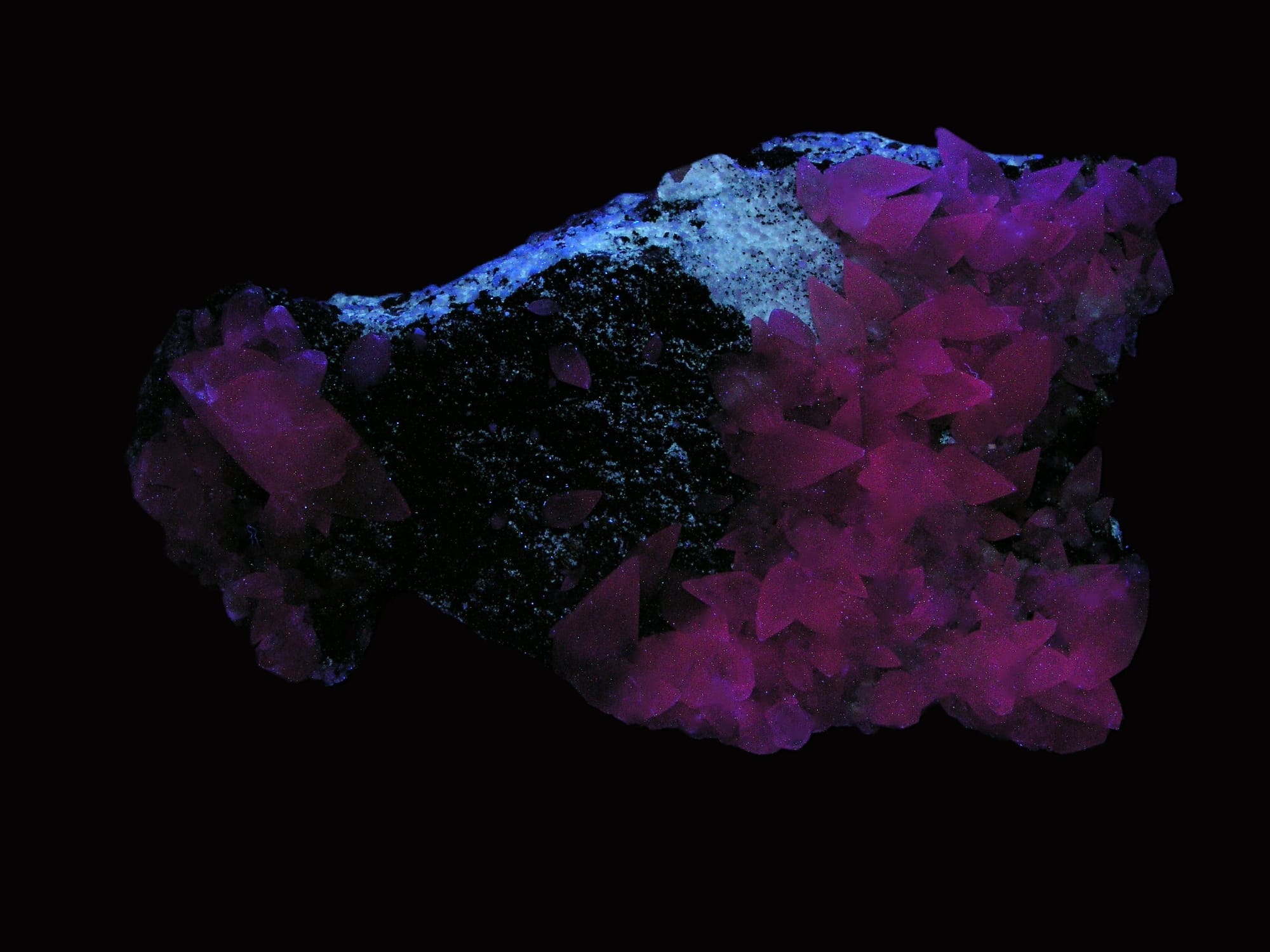
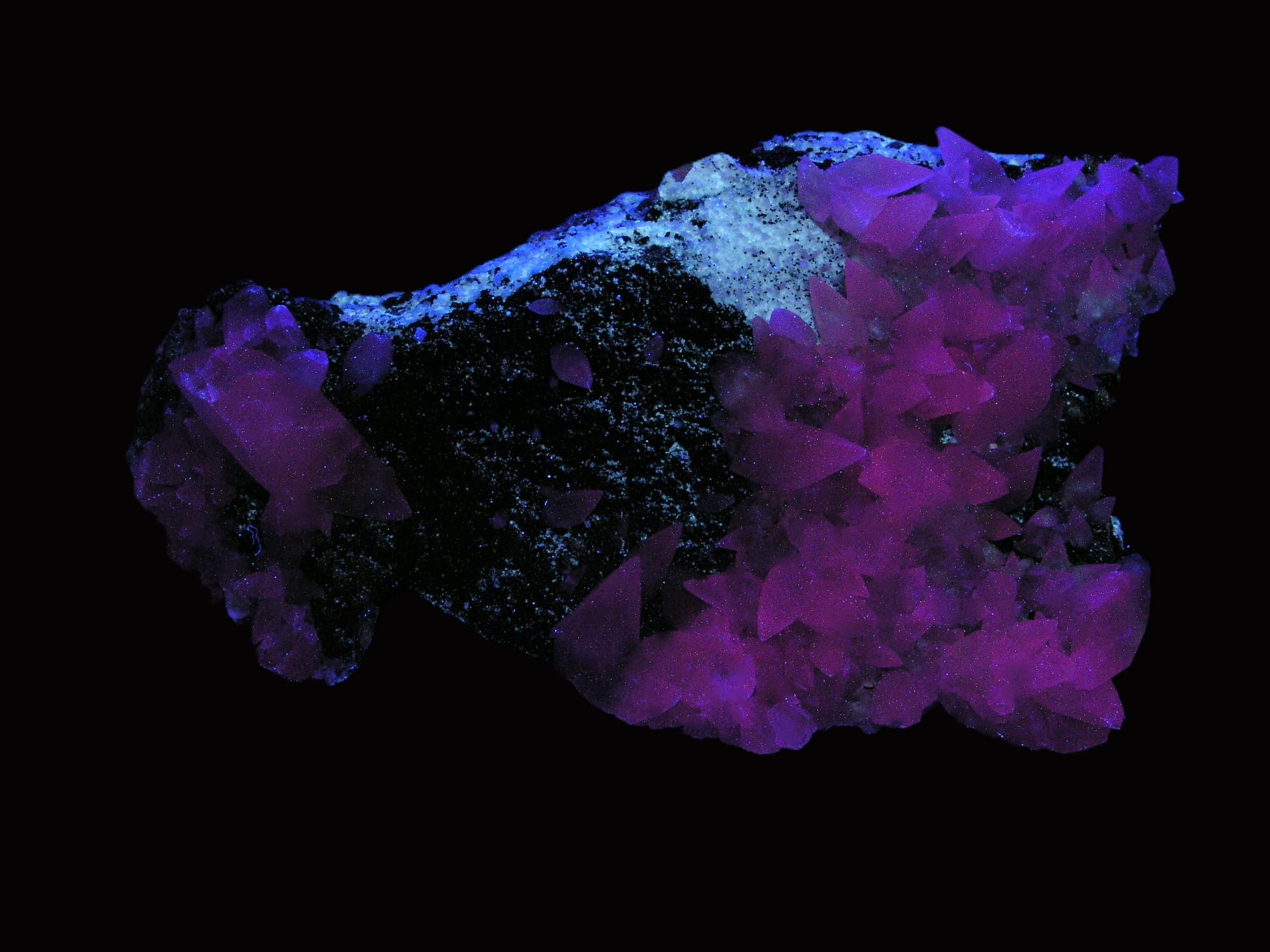
Specimen D
|
Wavelength |
Fluorescents |
|
Shortwave (254nm) |
Moderate-low intensity,
magenta with orange tint |
|
Mid-wave (312nm) |
Moderate intensity,
magenta with purple color zoning |
|
Longwave (351nm) |
Moderate-low intensity,
magenta color |
|
Longwave (370nm) |
Low intensity, magenta
color |
|
Flash Test |
Bright intensity,
red-orange color |
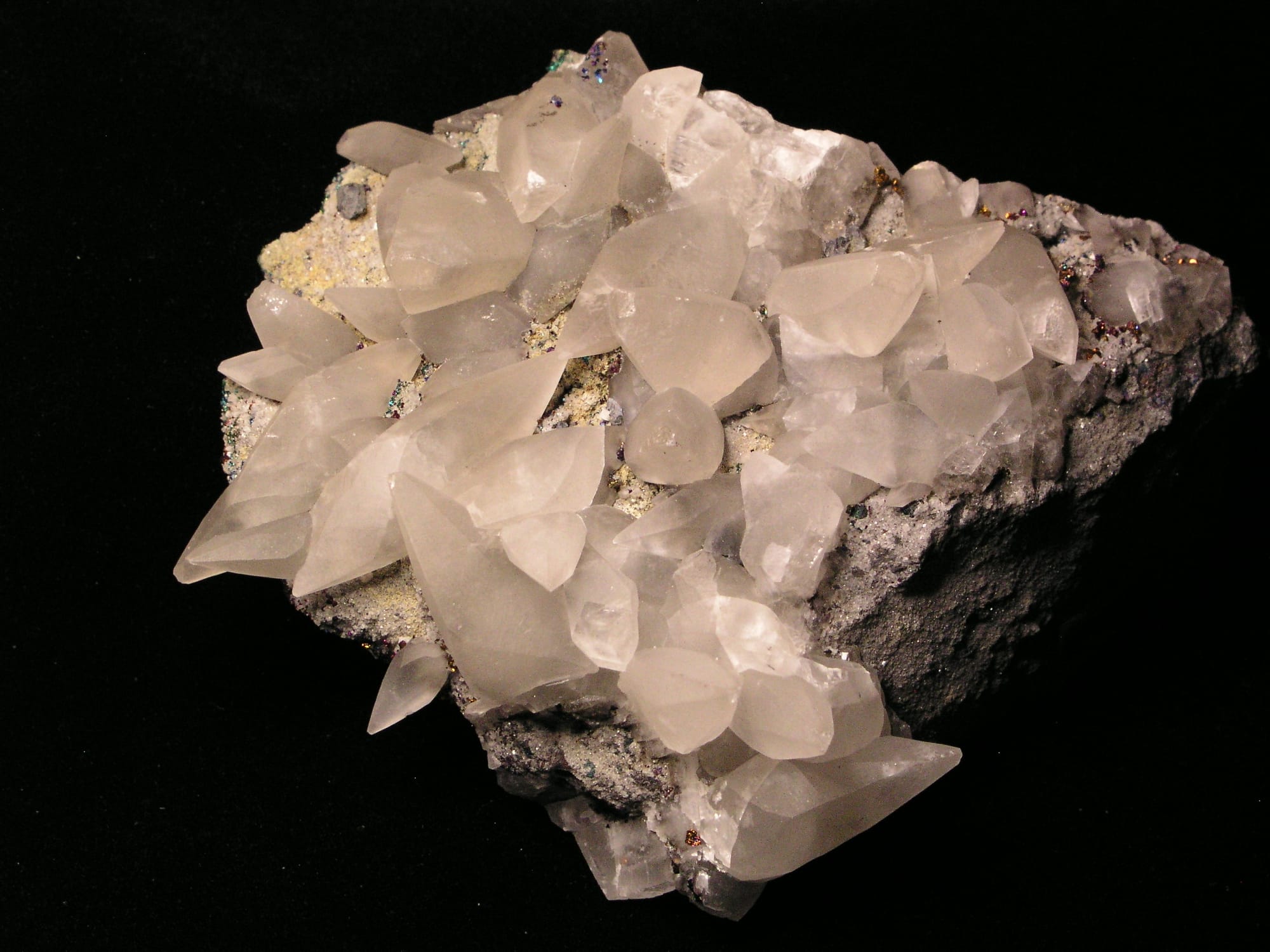
References
Boyer, Mark. “Flash and BIP” The Picking Table, 52 (1), Spring 2011, p. 16.
Mindat.org Sweetwater Mine, Ellington, Viburnum Trend District, Reynolds County, Missouri, USA.
Rakovan, John. Mississippi Valley-Type Deposits. Rocks and Minerals, 81(1): 69-71. January 2006.