
October Speaker: "The Silver Mines of Lavrion, an Incredible and Diverse Mineral Wealth from Ancient Greece to Modern Times, Part 1" by Fred Paraskevoudakis
by Laura Dwyer, MSDC Member
Note: The speaker has requested that no recordings be made of this presentation. Part 2 of the presentation will be during our meeting on December 3.
Presentation Topic
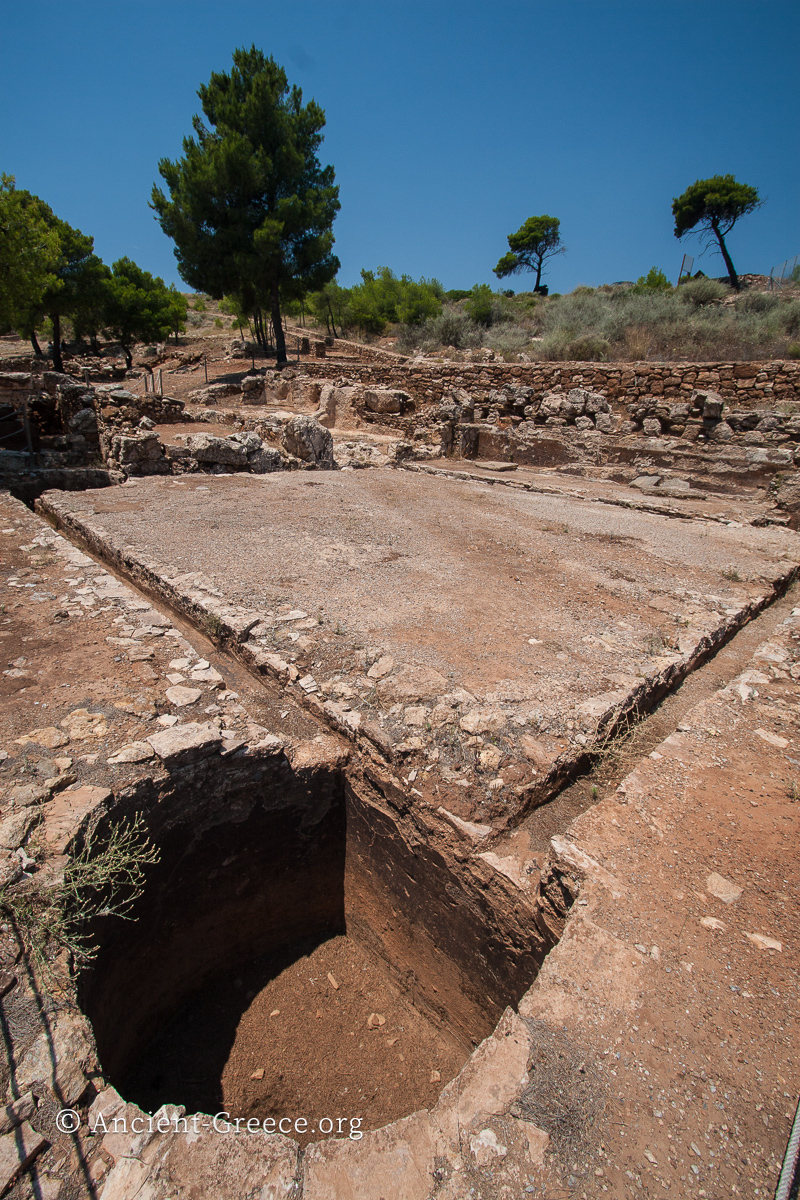
Since ancient times and spanning more than 3,000 years, surface mining has taken place at the site of Thorikos adjacent to Lavrion in Greece. With more intensive mining starting around 600 B.C., the silver, lead, and zinc mines at Lavrion yielded not only enormous wealth over many centuries, but also a rich diversity of mineral species found in that locality.
The presentation will include images of the ancient sites, with an overview of the historical importance of the area. The main focus, however, is on the modern era of mining which began in 1865 and ran strong until 1976. Today, the small town of Lavrion houses two small, but wonderful, museums packed with incredible mineral collections and showcases some of the old mining history and equipment.
The presentation will include numerous slides and videos inside a couple of mine shafts and reveal the stunning mineral wealth that still lies inside. With regard to diversity, Lavrion is perhaps the richest site in the world, after Tsumeb, Namibia, with 672 (Mindat) catalogued mineral species. The site continues to be a destination of scientific interest to geologists and mineralogists.
Speaker Bio
Our presenter for October, Fred Paraskevoudakis (Paras), is a professor at Baltimore City Community College where he has taught mostly microbiology, as well as biotechnology and environmental science since 1992. His graduate education includes two MS degrees and PhD work in science education.
His interests in natural history stem from his childhood in the tropics where he collected butterflies and shells, hobbies that he continues to enjoy today with his own large scientific collections. These interests have been pursued through extensive travels on all continents of the world.
Fred is the president of the Maryland Entomological Society and a longtime member of the Natural History Society of Maryland where he is the curator of the shell collection. Although he had a rudimentary interest in fossils and minerals growing up, he became very active in these areas in the last 10 years.