Prez Says...
by Dan Teich, MSDC President
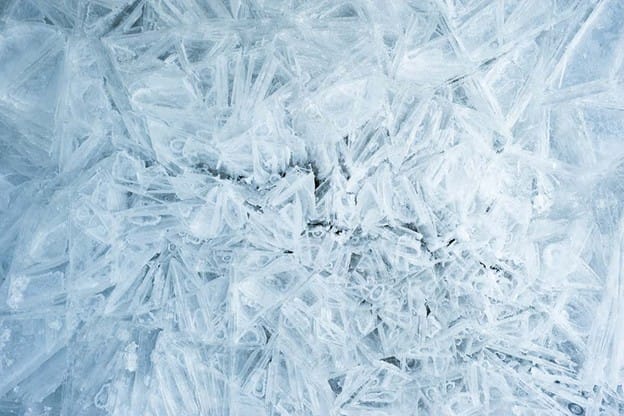
Let’s talk about that mineral that has been plaguing all of you nice people in the DC/Maryland/Virginia area: crystallized dihydrogen monoxide: ice.
Yes, ice is considered a mineral as it is a naturally occurring, inorganic solid with a definite chemical composition and an ordered internal crystalline structure. It fulfills all recognized mineral criteria, including being in the International Mineralogical Association official list of minerals. On the list, don’t look for water, but scroll down for ice – it’s one of 6,145 minerals. Really.
Water is classified as a simple oxide mineral. Two hydrogens and one oxygen. It’s inorganic and forms a hexagonal structure when frozen. You can readily find it as a rock (a glacier is technically a rock) and its hardness is just above talc at 1.5.
As a liquid, not a mineral, there is no crystalline structure. So, it looks like the DC area really wants to get rid of some rocks that are clogging up the streets. I wish you all a warm spell to vanquish this pesky mineral.
All of this water and ice talk reminds us of last month’s epic presentation on the geologic and climate history of Mars by the good Dr. John A. Grant of the Smithsonian. Water on Mars formed many lakes, channels, and precipitated out a number of minerals! I’m still smiling after watching his drives of our little rover friends across the red planet. Plucky things that have far exceeded anyone’s imagination. There may even be new discoveries to come!
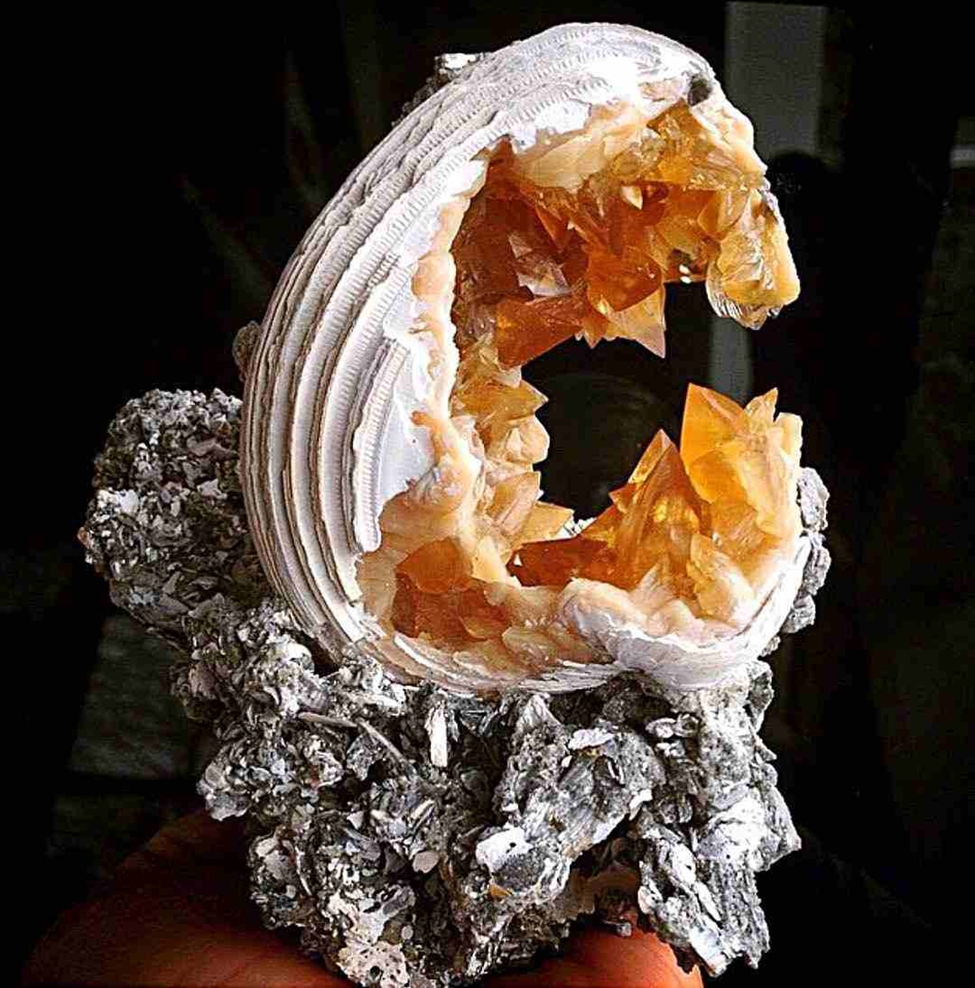
Back on Earth this month, I am presenting at our March 4 meeting on the fossilized clams of Ruck’s Pit in Fort Drum, Florida. We took a field trip there last year and came to find an appreciation of something physical in Florida: clams. Never knew I’d be enamored by a clam. Tune in for some grandiose calcite pictures and lots of good-quality mud.