
February Presentation: The Missions of Spirit, Opportunity, and Curiosity: Revealing the Geologic and Climate History of Mars, by John A. Grant, PhD
by Laura Dwyer, MSDC Member
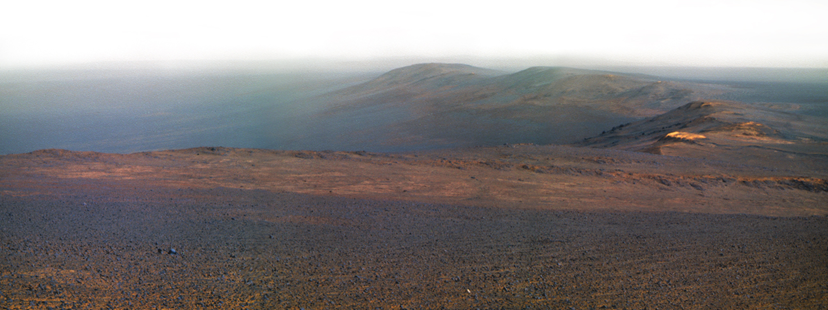
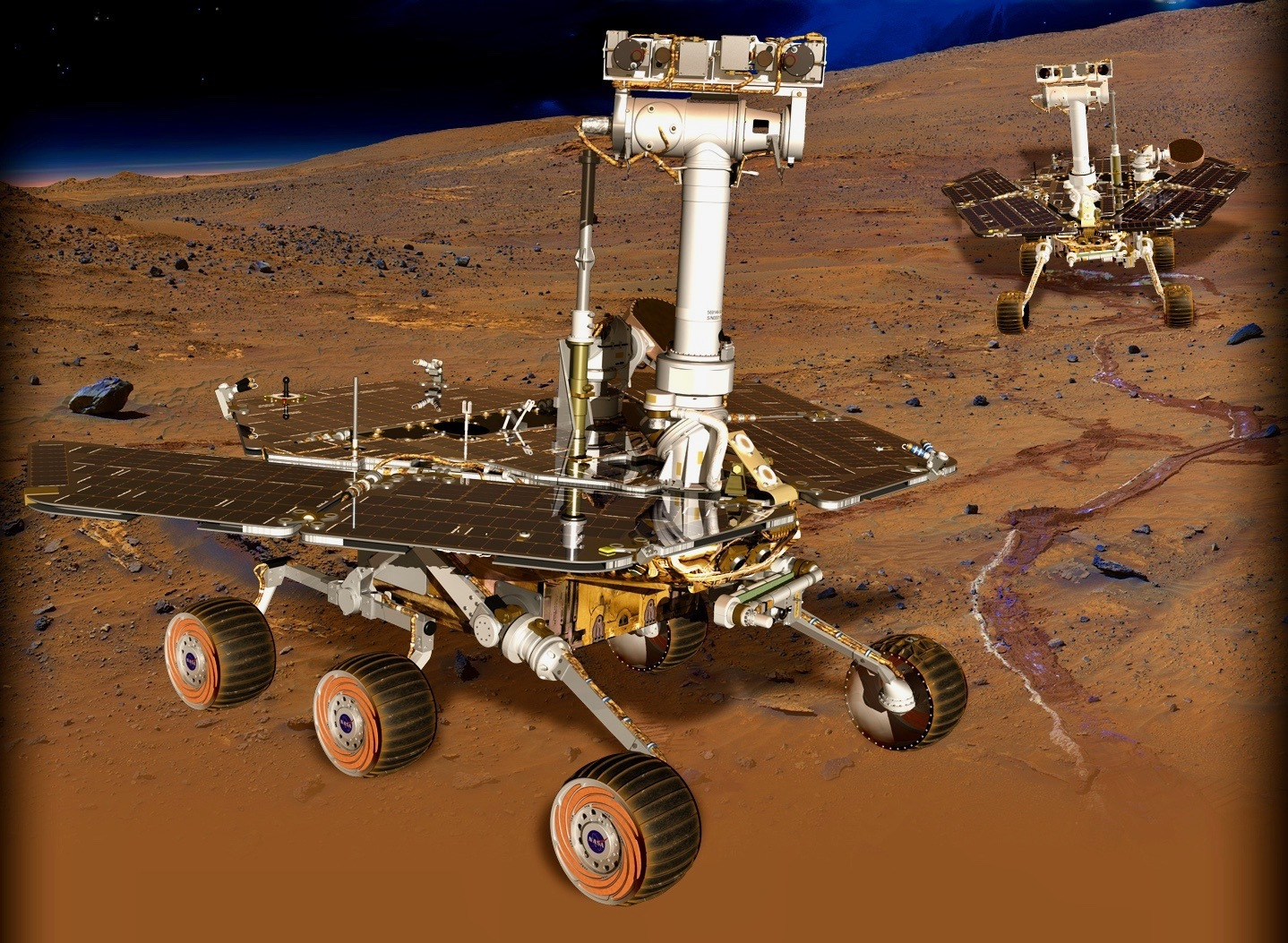
The completed Mars Exploration Rovers Spirit and Opportunity and the ongoing Mars Science Laboratory Curiosity missions fundamentally changed how we view the history of Mars. Totaling more than 20 years to date, these missions have helped to define the history of water in shaping the surface of Mars and identified the occurrence of past habitable environments.
From Gusev crater to Meridiani Planum and Gale crater, locations explored by these rovers have been shown to have been shaped by a rich history of water activity in a variety of environments. Collectively, the results of these missions have helped us to better understand the geologic history and locations harboring the potential for past life on the Red Planet.
Our February speaker, Dr. John A. Grant, has been interested in Mars ever since reading Ray Bradbury's The Martian Chronicles as a child. He joined the Smithsonian in the fall of 2000 as a Geologist at the Center for Earth and Planetary Studies at the National Air and Space Museum. He is a member of the science teams for the Mars Science Laboratory Curiosity and the High Resolution Imaging Science Experiment (HiRISE) camera on the Mars Reconnaissance Orbiter. He was also a member of the science team for the Mars Exploration Rovers Spirit and Opportunity and the InSight Mars lander.
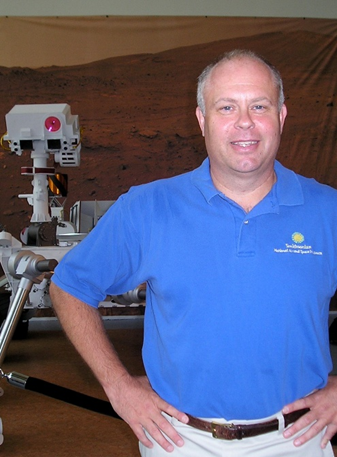
Dr. Grant received his bachelor’s degree, magna cum laude, in geology in 1982 from the State University of New York College at Plattsburgh, his master’s in geology in 1986 from the University of Rhode Island, and his doctorate in geology in 1990 from Brown University. His dissertation focused on the degradation of meteorite impact craters on Earth and Mars and he remains interested in understanding processes responsible for shaping planetary landscapes. He was an Associate Professor at SUNY College at Buffalo prior to joining the Smithsonian.