
Zircon: Earth's Remarkable Time Keeper
by Ken Rock, MSDC Editor
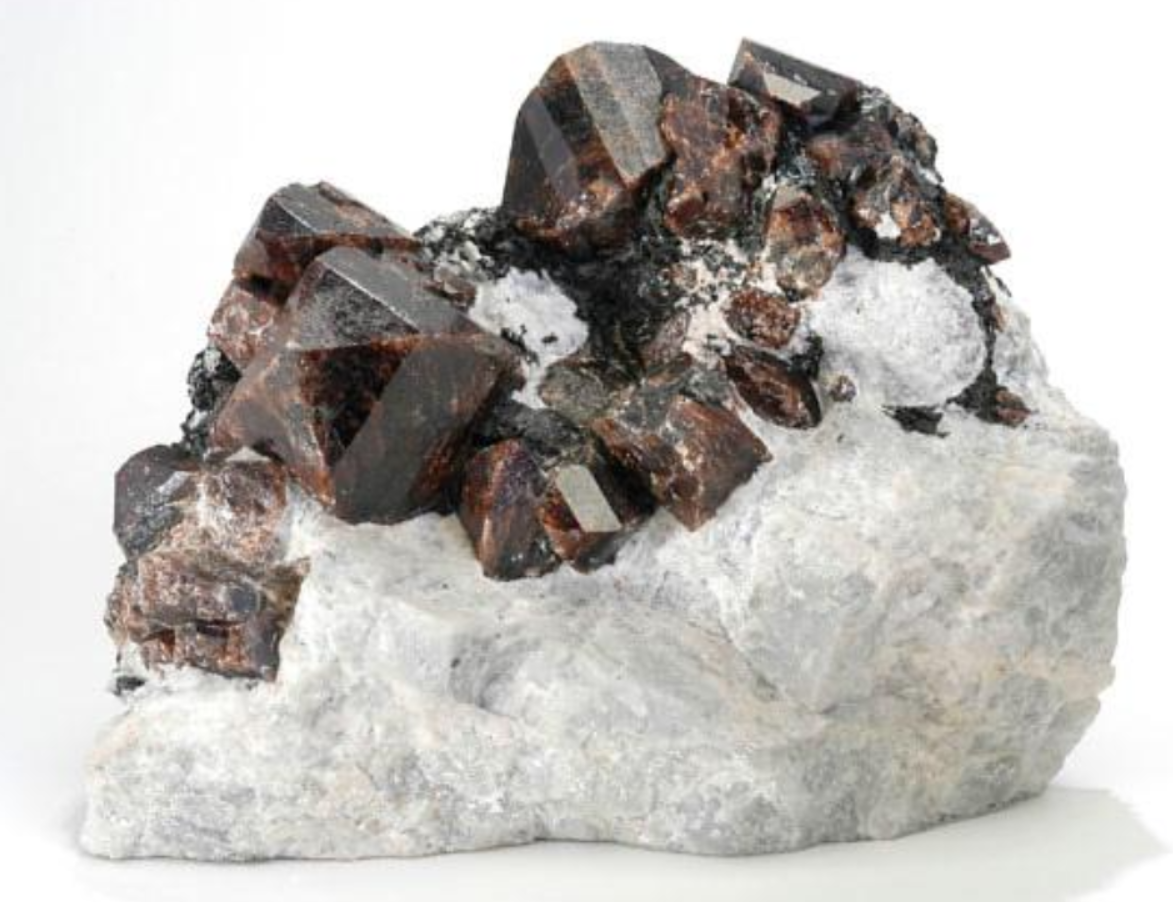
Time Capsules Represented by These Tiny Crystals
Tucked away in pegmatite pockets and hidden within ordinary granite lies one of Earth's most extraordinary minerals. At first glance, zircon might seem unremarkable — small reddish-brown crystals typically measuring just 0.1 to 0.3 millimeters. But these tiny time capsules are literally pieces from Earth's earliest days that we can see and hold in our hands.
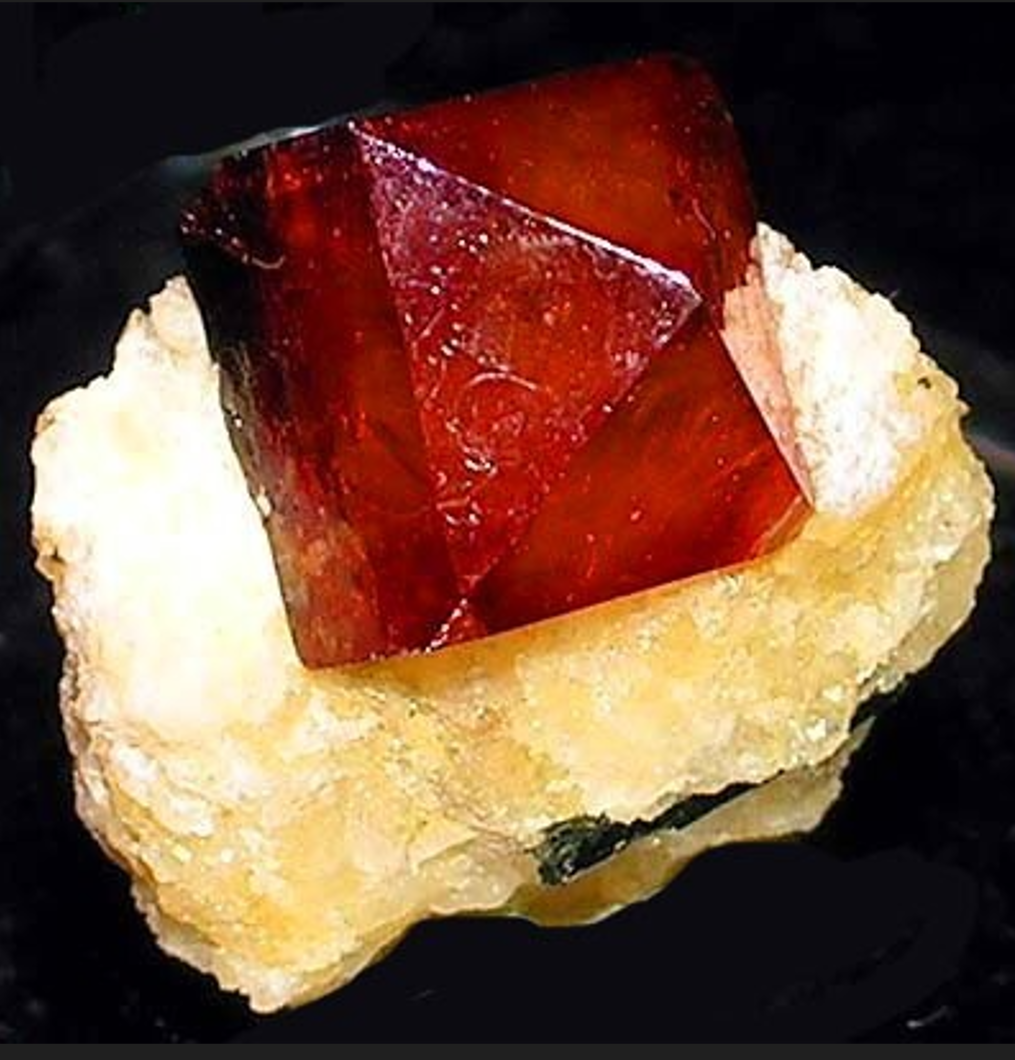
A 4.4-Billion-Year Journey
The most ancient zircon crystals, discovered in Australia's remote Jack Hills on a sheep farm, are an astounding 4.4 billion years old — nearly as ancient as Earth itself. To put this in perspective, if our planet's entire history were compressed into a single year, these zircons formed in early February. They've survived multiple geological upheavals, weathering cycles, and temperature extremes that would have destroyed almost any other mineral.
What makes zircon (ZrSiO₄) such an exceptional survivor is its remarkable physical properties. With a hardness of 7.5 on the Mohs scale (harder than quartz) and extraordinary chemical stability, zircon resists corrosion and alteration better than virtually any other mineral. It can endure temperatures that would melt most other crystals, making it nature's ultimate time keeper.
Nature's Perfect Clock
Zircon's true claim to fame lies in its unique ability to preserve time. The mineral naturally incorporates uranium isotopes during formation, which decay at predictable rates into lead. This makes zircon the gold standard for radiometric dating, allowing geologists to determine the age of ancient rocks with remarkable accuracy. Through zircon analysis, scientists have discovered that liquid water existed on Earth 4.3 billion years ago, far earlier than previously thought.
These microscopic marvels have revolutionized our understanding of early Earth conditions. They've revealed that our planet's surface was habitable much sooner after formation than anyone imagined, fundamentally changing theories about Earth's early history.
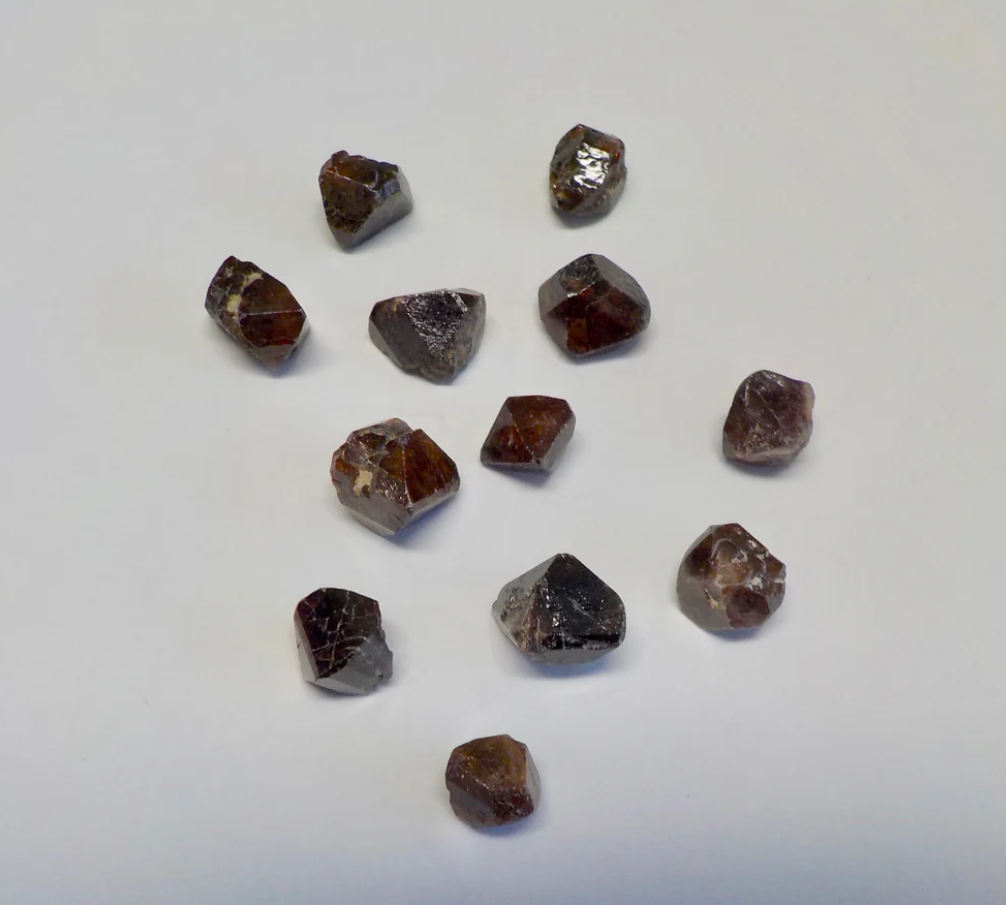
Beyond Scientific Fame
While zircon's scientific importance is undeniable, the mineral has much more to offer. As December's birthstone, zircon creates stunning gemstones with brilliant luster and exceptional light dispersion that rivals diamond. The mineral occurs in a surprising array of colors beyond the typical reddish-brown: vibrant blues, greens, yellows, oranges, and sometimes completely colorless specimens that sparkle with remarkable fire.
For collectors, zircon specimens offer both beauty and scientific significance. Under ultraviolet light, many zircons fluoresce a distinctive yellow, adding another dimension to their appeal. The largest recorded zircon crystal, found in Canada, measured an impressive 30 centimeters long and weighed 7 kilograms—a far cry from the hair-thin crystals typically found in granite.
Industrial Powerhouse
Zircon's exceptional properties extend to industrial applications. Its high melting point and chemical resistance make it valuable for furnace linings and high-temperature ceramics. The mineral also serves as an abrasive in grinding and polishing applications, while zirconium metal extracted from zircon finds use in nuclear reactors and military applications.
A Mineral Worth Appreciating
Next time you encounter a zircon specimen, take a moment to appreciate what you're holding. That small, seemingly ordinary crystal may contain secrets from Earth's infancy—stories of ancient oceans, primordial continents, and conditions that existed when our planet was still learning how to sustain life. In the world of minerals, few can match zircon's remarkable combination of beauty, durability, and historical significance.
The name "zircon" derives from the Persian word "zargun," meaning "gold-colored"—a fitting tribute to these golden treasures of geological time.